310-913-9477
glenn@shelhamergroup.comCalDRE #01950995
Buying or selling in Atwater Village?
I am Glenn Shelhamer, broker of The Shelhamer Group, and I work Atwater Village every week. Homes here that sell in the first thirty days close above asking. Homes that sit do not. The difference is decided the week you list.
Work with an Atwater Village real estate agent →Atwater Village is one of those rare Los Angeles neighborhoods that still feels deeply lived in. Tucked between the Los Angeles River, Los Feliz, Glendale, and Silver Lake, this Eastside pocket moves at a slower rhythm than many of its neighboring communities. Morning coffee walks. Cyclists along the river path. Front porches with actual conversations happening on them. Vintage bungalows sit quietly beneath jacaranda trees while somebody unloads groceries from Trader Joe’s in hiking boots and sunglasses that cost too much.
Some neighborhoods in Los Angeles feel like a performance. Atwater Village still feels like people actually live there.
That balance is a huge part of the appeal. The neighborhood has evolved over the years, no question. New restaurants arrived. Home prices climbed. Creative types and young families flooded in from neighboring communities. But compared to parts of Silver Lake or Venice that sometimes feel swallowed whole by trend cycles, Atwater Village somehow managed to hold onto a little humility.
And that’s exactly why people get obsessed with it.
If you’re searching for Atwater Village homes for sale, you’re likely looking for a neighborhood with walkability, character architecture, local businesses, strong community energy, and access to the rest of Northeast Los Angeles without feeling trapped in the chaos of it all.
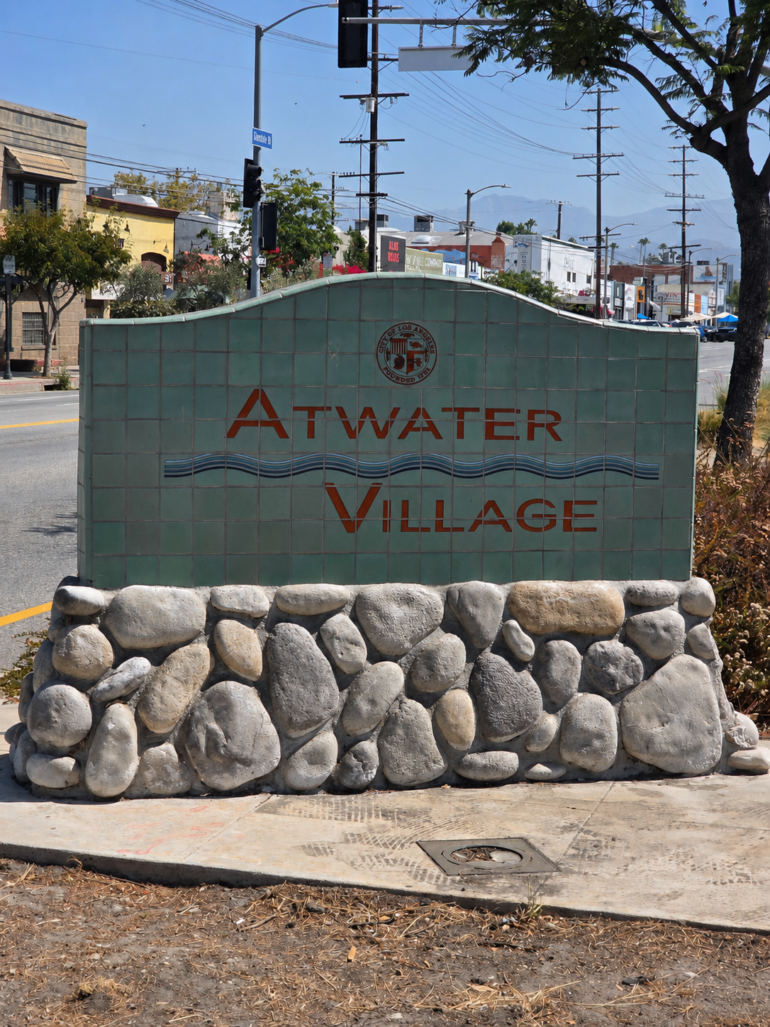
Welcome to Atwater Village.
Atwater Village Market Data: October 2026
Here is what Atwater Village actually costs right now, straight out of the MLS. Not a portal estimate. Real closed sales.
| Median sale price | $1,365,000 |
| Median days on market | 14 |
| Closed sales, past 12 months | 94 |
| The median home sold | 3 bed, 2 bath, 1,422 sq ft |
| Homes actively for sale | 23 |
| Median asking price right now | $969,000 |
| Months of supply | 2.9 |
| Change from a year ago | Up 1.3% |
The number that actually matters
About 67% of homes sold in 30 days or less. Those averaged 107.7% of asking price. The ones that took 31 to 60 days averaged 99.3%. On the median asking price that gap is roughly $117,000.
Speed is not a bonus in this market. Speed is the price. A house that sits is not waiting for the right buyer, it is telling every buyer something is wrong with the number.
Atwater is up 1.3% year over year on only 23 homes actively listed, a far smaller price gain than last month showed, and sales volume climbed about 21%, from 78 to 94. Inventory is genuinely thin at 2.9 months. The homes that sell fast clear at nearly 108% of asking while the slow ones barely hold it. Both things are true at the same time. What is still sitting has been listed a median of 42 days against 14 for what sells.
These figures cover The MLS Area 1025, Atwater. Single family and condo, no price or size filters. Source: The MLS/CLAW, Area 1025 (Atwater). Closed sales October 1, 2025 through October 1, 2026, 94 sales. Active and pending inventory as of October 1, 2026. Data deemed reliable but not guaranteed. Compiled by Glenn Shelhamer, The Shelhamer Real Estate Group, CalDRE #01950995.
Where Is Atwater Village?
Atwater Village sits in Northeast Los Angeles near Glendale, Los Feliz, Silver Lake, and Glassell Park. The neighborhood is generally bordered by the Ventura Freeway to the north, San Fernando Road to the east, and the Los Angeles River to the south and west.
One of the things locals love most about Atwater Village is the geography itself. Unlike many hillside neighborhoods nearby, Atwater is relatively flat, making it one of the more walkable and bike-friendly neighborhoods on the Eastside.
You can realistically spend an entire Saturday here without getting in your car. Coffee turns into brunch. Brunch turns into wine. Wine turns into running into somebody you know outside a vintage shop while pretending you weren’t about to order another pastry.
That’s Atwater.
Living In Atwater Village
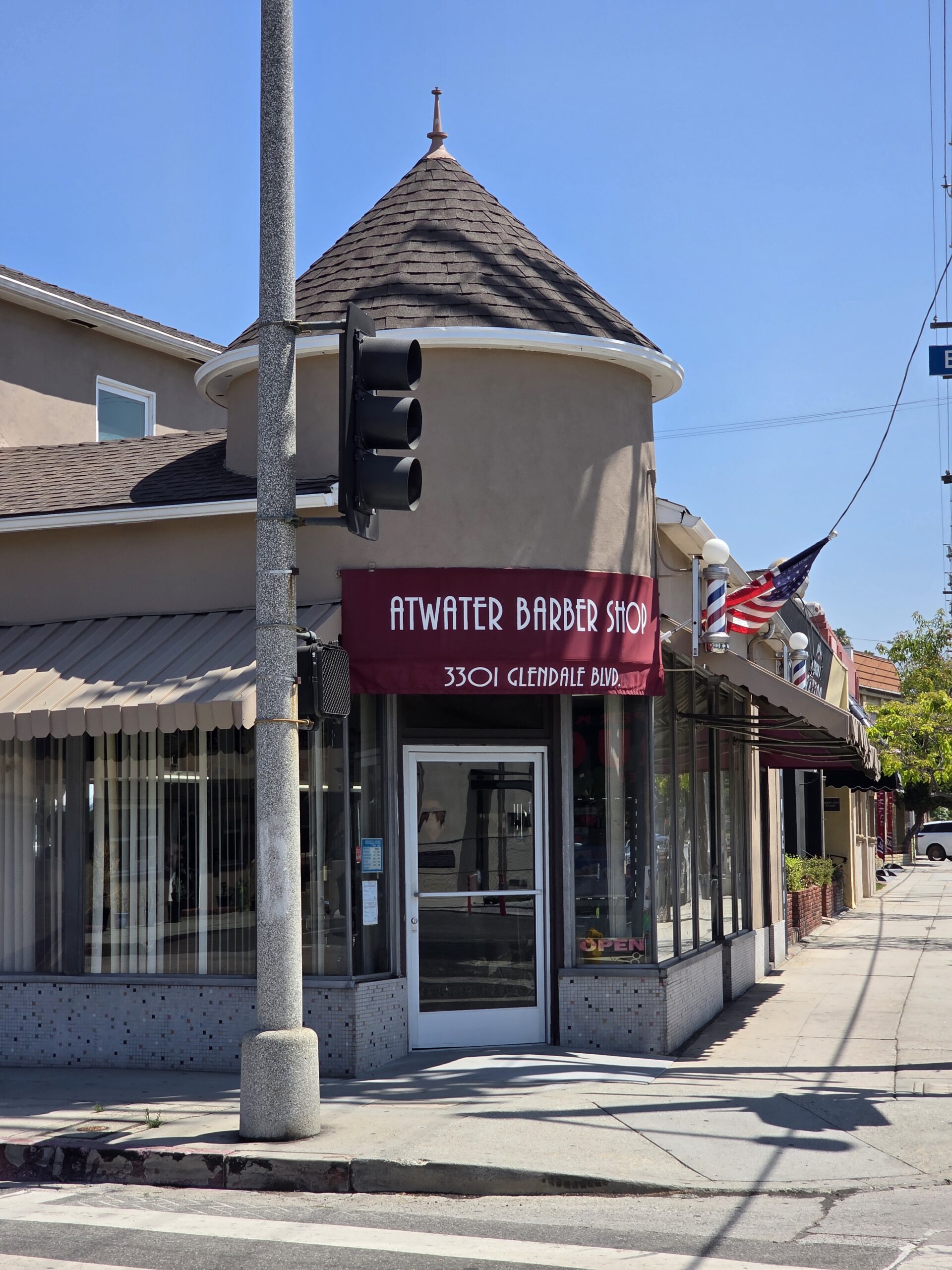
Living in Atwater Village feels different than living in much of Los Angeles. There’s a neighborhood rhythm here that’s increasingly difficult to find.
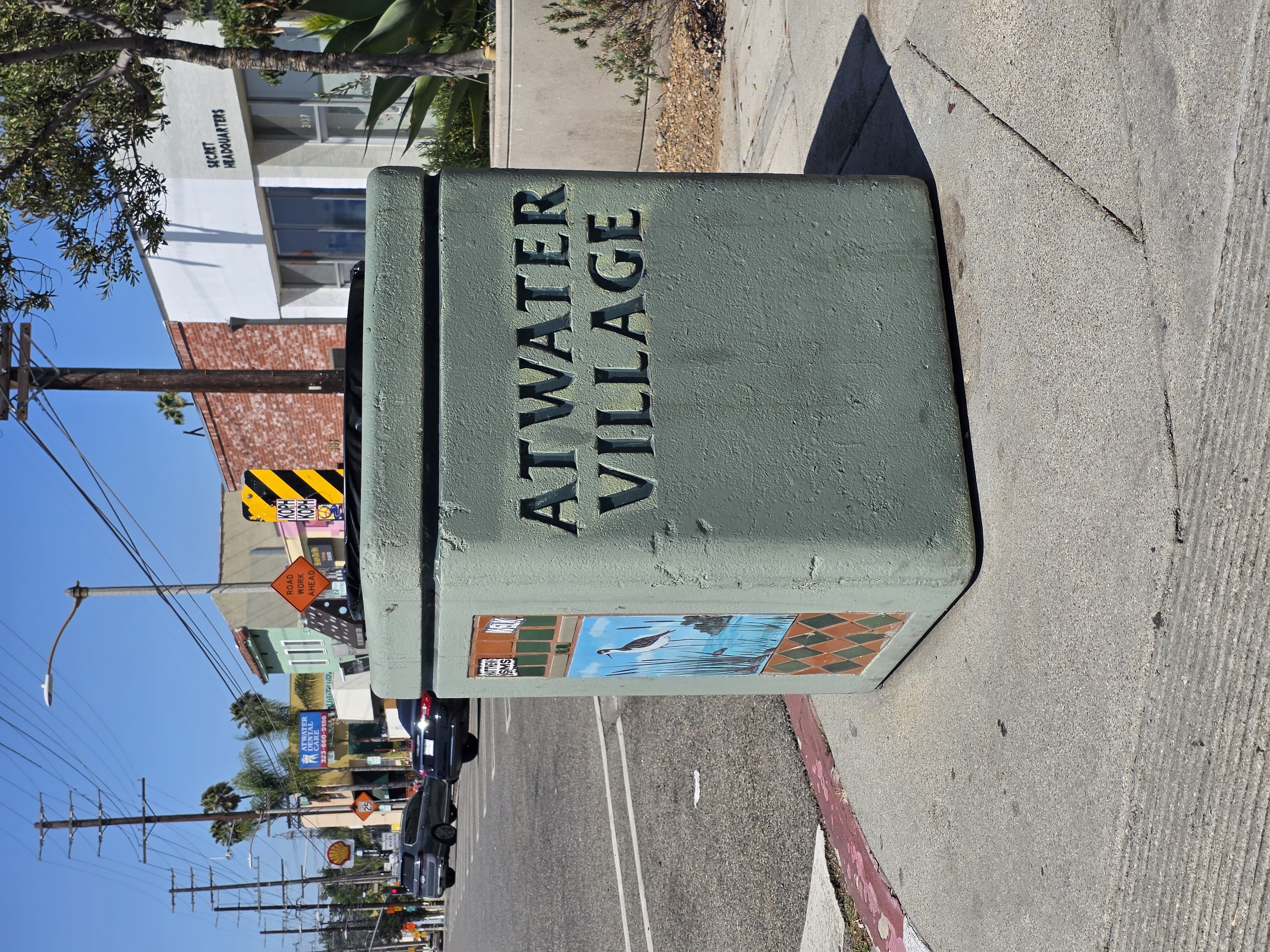
People walk their dogs. Families push strollers down tree-lined streets. Neighbors actually know each other. The weekly farmers market still matters. Local businesses still feel local. Even the commercial stretches along Glendale Boulevard and Los Feliz Boulevard somehow maintain a human scale that much of LA lost years ago.
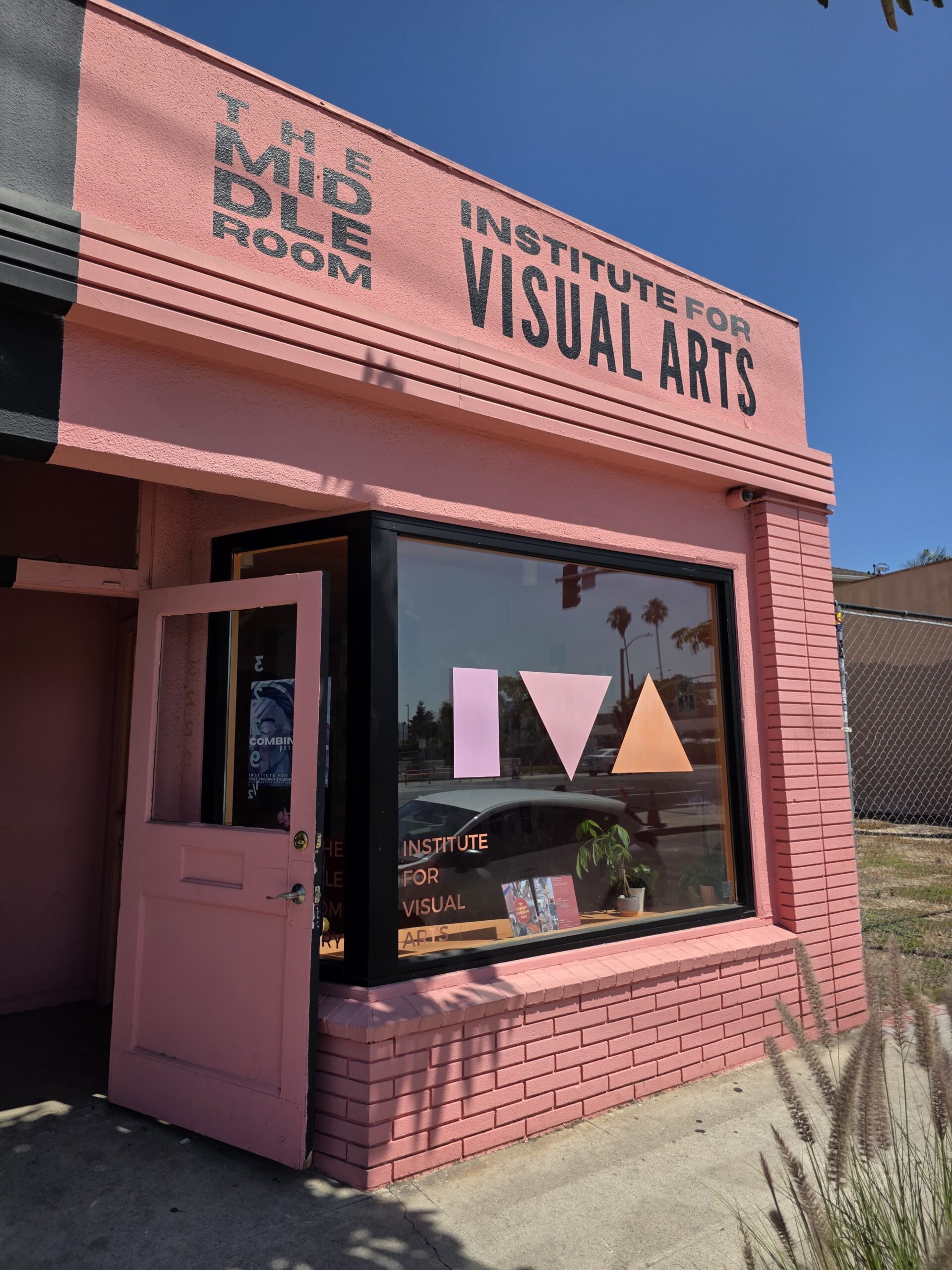
The neighborhood attracts an interesting mix of people:
- creatives
- musicians
- designers
- film industry professionals
- architects
- young families
- longtime homeowners
- first-time buyers looking for character over square footage
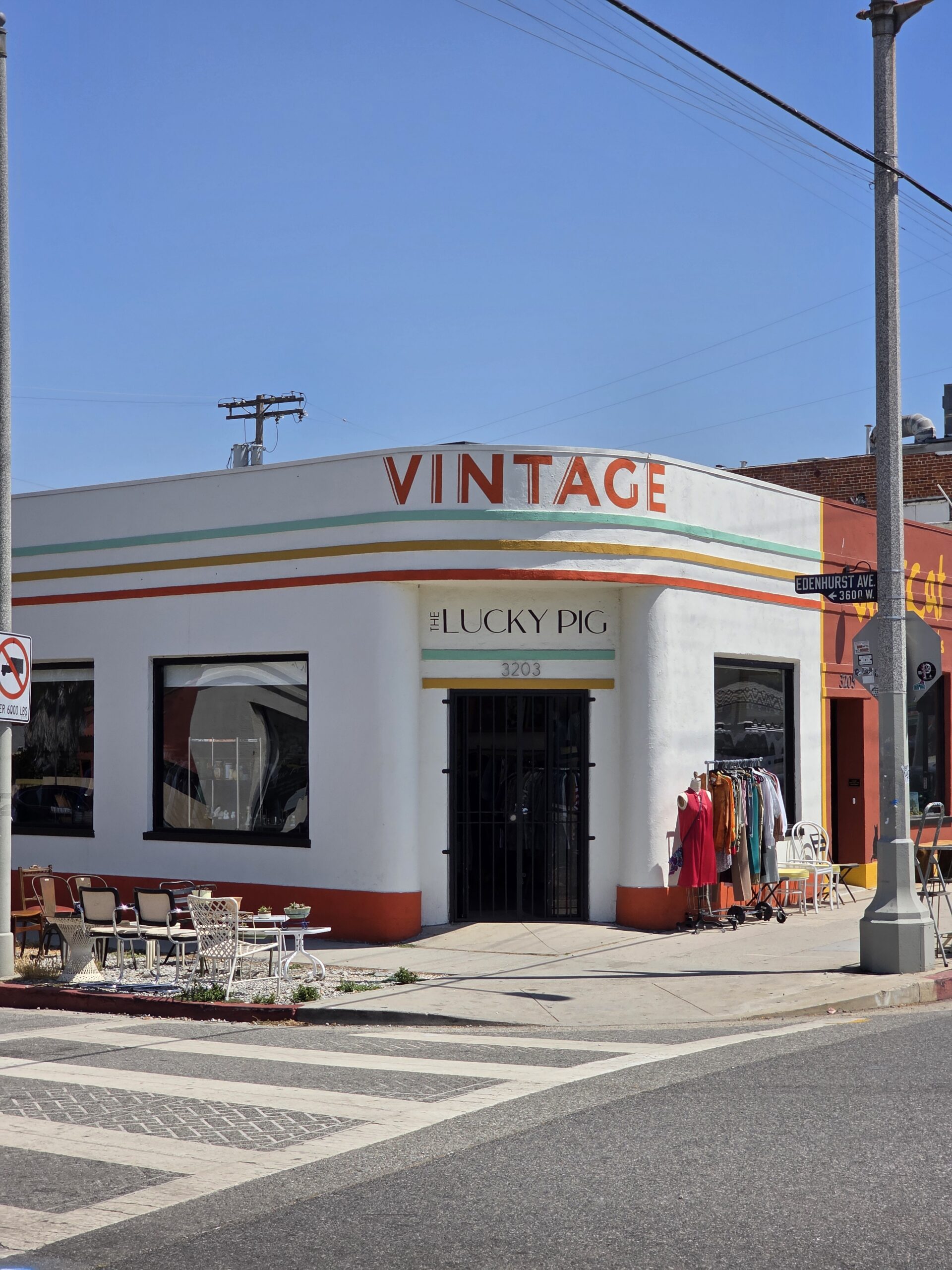
Atwater Village also benefits from being centrally located without constantly feeling chaotic. You can get to Downtown LA, Hollywood, Burbank, Pasadena, or Glendale relatively easily, while still coming home to streets that feel noticeably calmer.
That combination is rare.
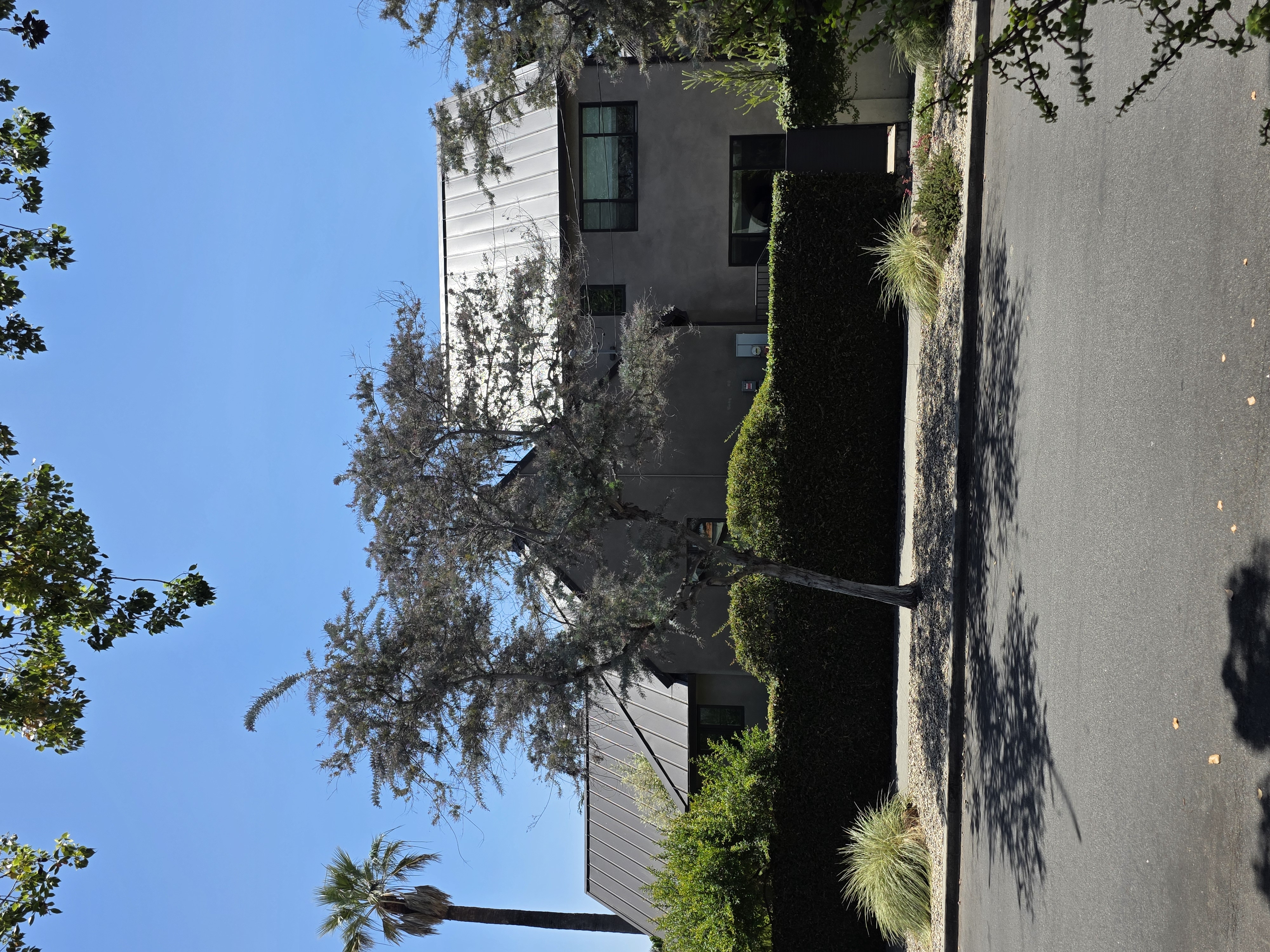
Atwater Village Real Estate & Architecture
Atwater Village real estate is defined by charm, scale, and architectural character.
Unlike many parts of Los Angeles that experienced waves of teardown development, Atwater Village still has a remarkably intact collection of early 20th century homes. The neighborhood contains one of the highest concentrations of pre-1939 housing stock in Los Angeles County, which is a big part of why the streets feel so visually cohesive today.
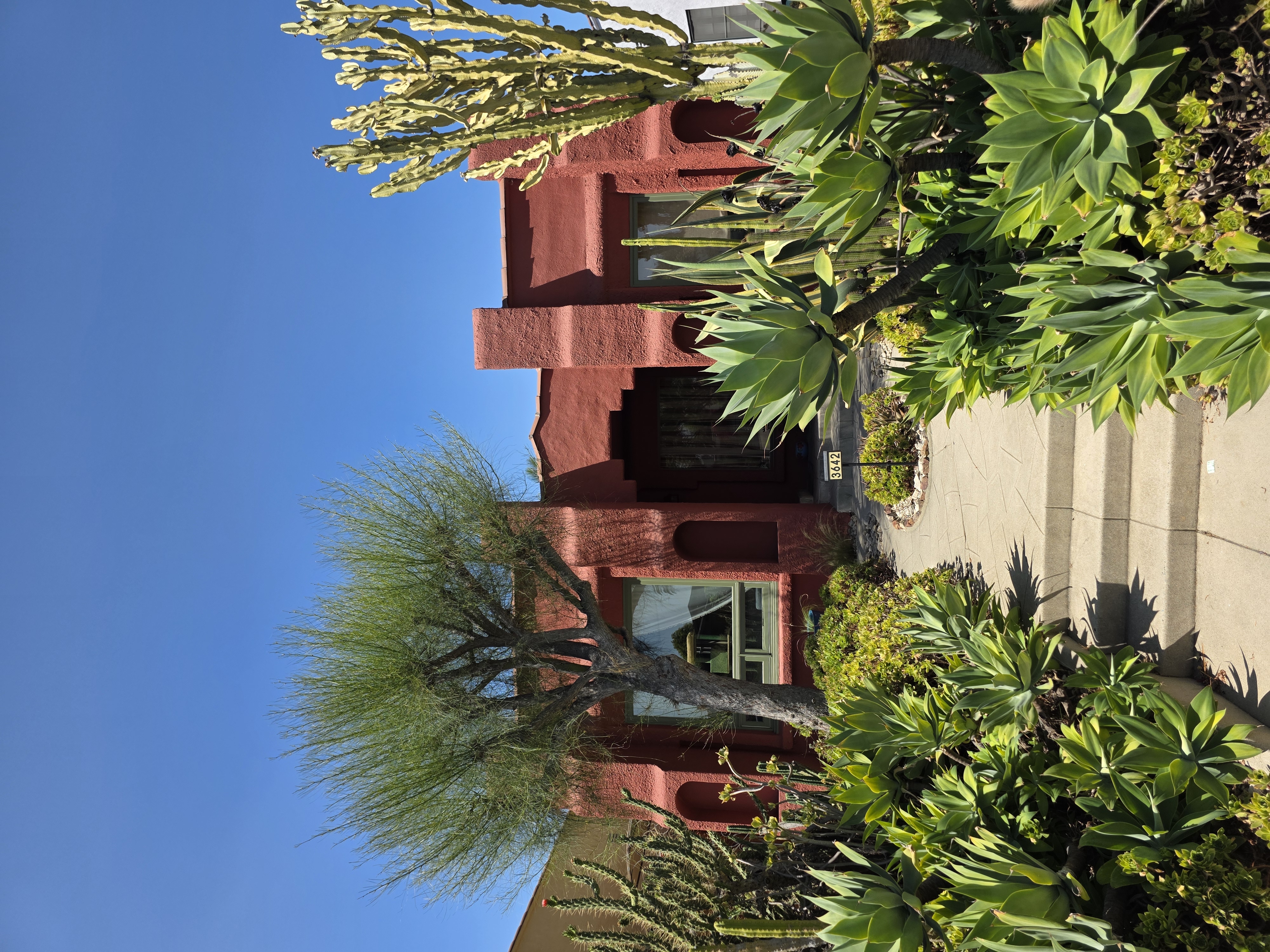
The Brunswick Avenue Fantasy Bungalows Historic District includes one-story single-family houses built from 1926 to 1928 photographed above. The Brunswick Avenue Fantasy Bungalows Historic District in Atwater Village features a unique collection of 18 Exotic Revival single-family homes. Built between 1926 and 1928, these one-story houses are famous for their whimsical, castle-like details inspired by 1920s Hollywood silent film sets.
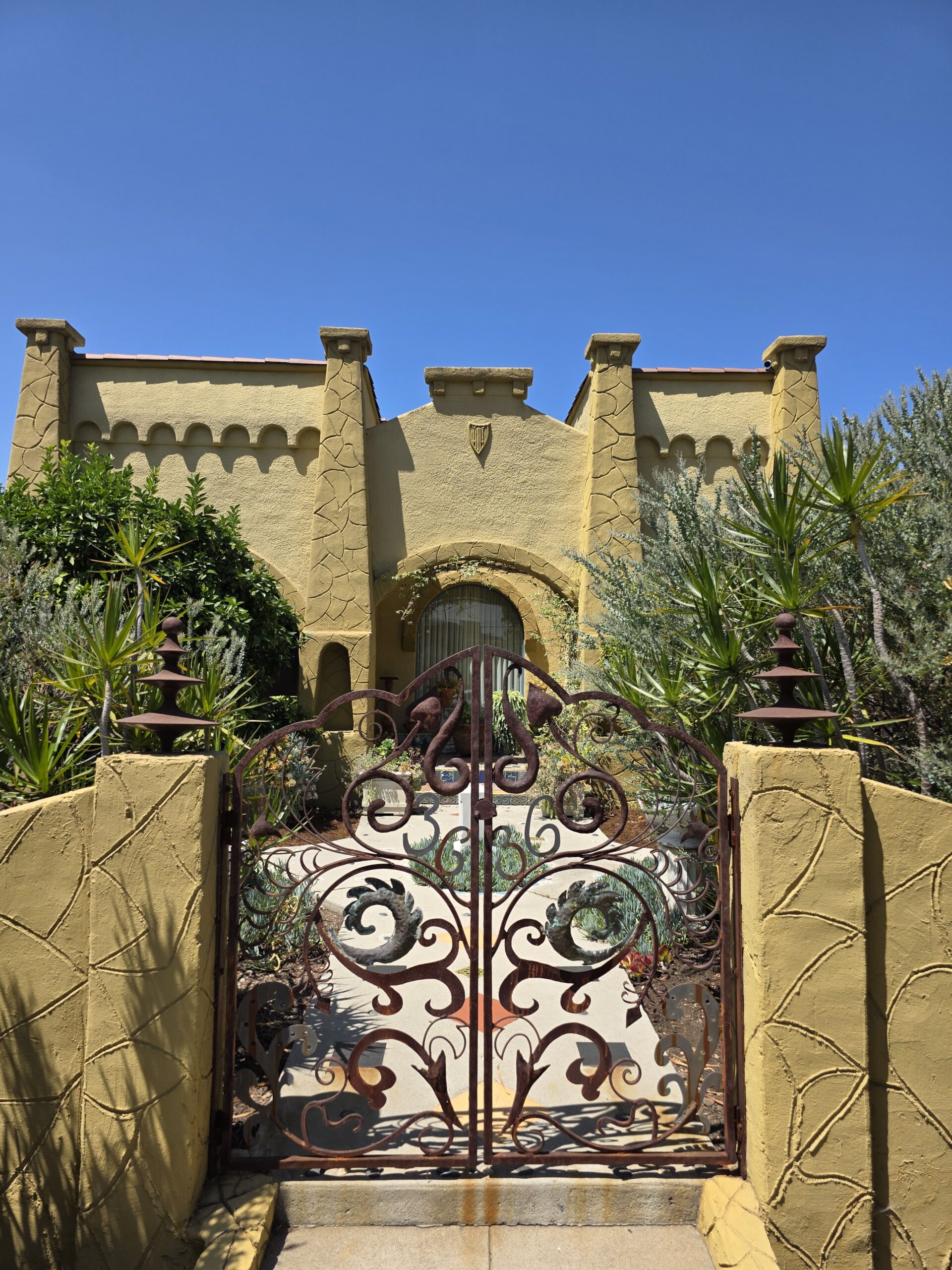
Nearly all of the homes on the block were built by real estate agent and developer Barney B. Kenoffel. Rather than strictly adhering to the traditional Spanish and European styles common in the area, Kenoffel applied unconventional elements like ramparts and towers to standard stucco bungalows. This transformation established the street as an architecturally distinct residential pocket on the Eastside of Los Angeles.
You’ll find:
- California bungalows
- Spanish Colonial Revival homes
- Craftsman homes
- Traditional cottages
- Cape Cod influences
- Mid-century renovations
- thoughtful modern redesigns mixed carefully into the neighborhood fabric
And thankfully, most of the streets still feel human in scale. You don’t have towering mega-box construction swallowing entire blocks the way you see in other parts of Los Angeles.
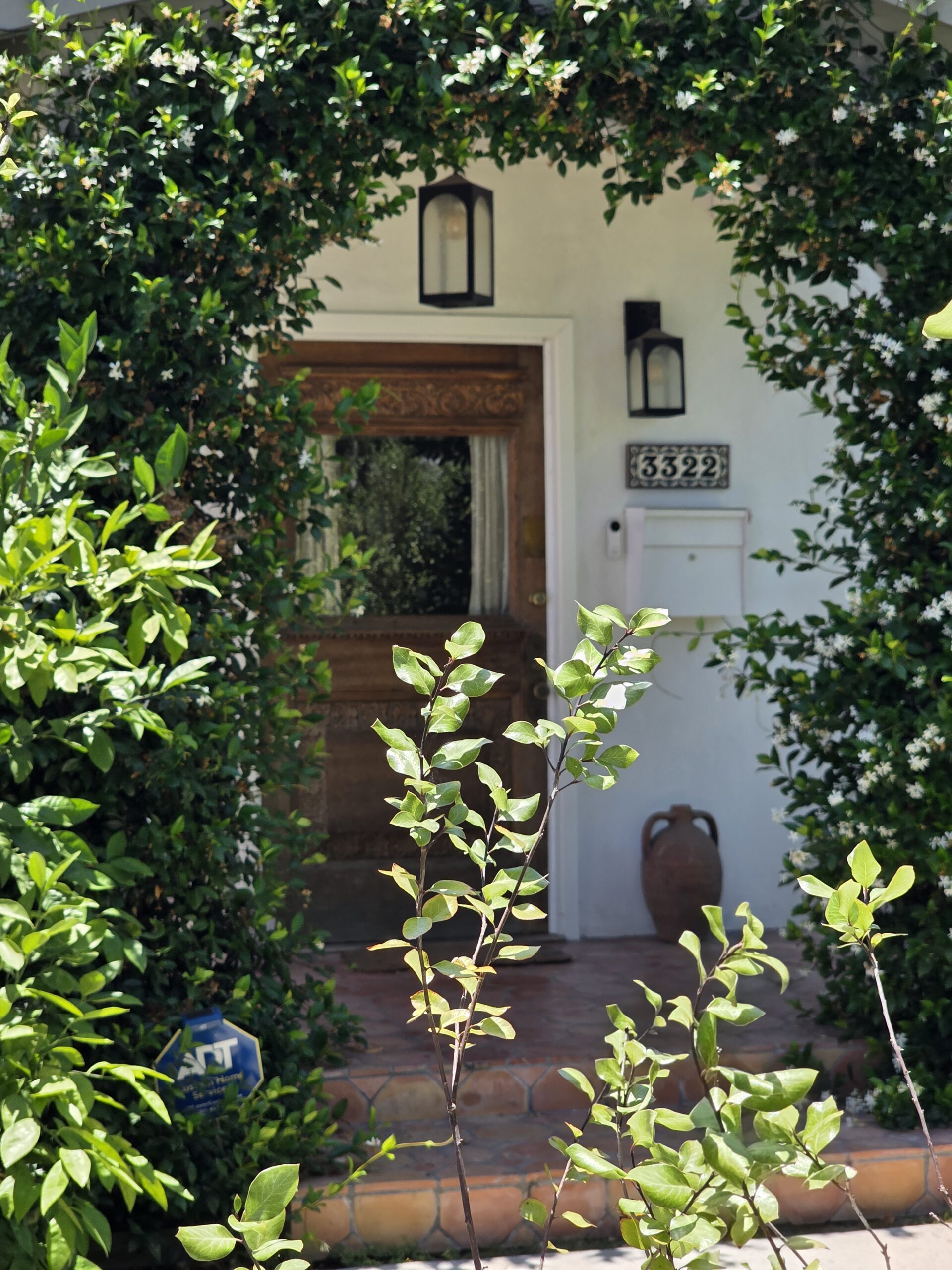
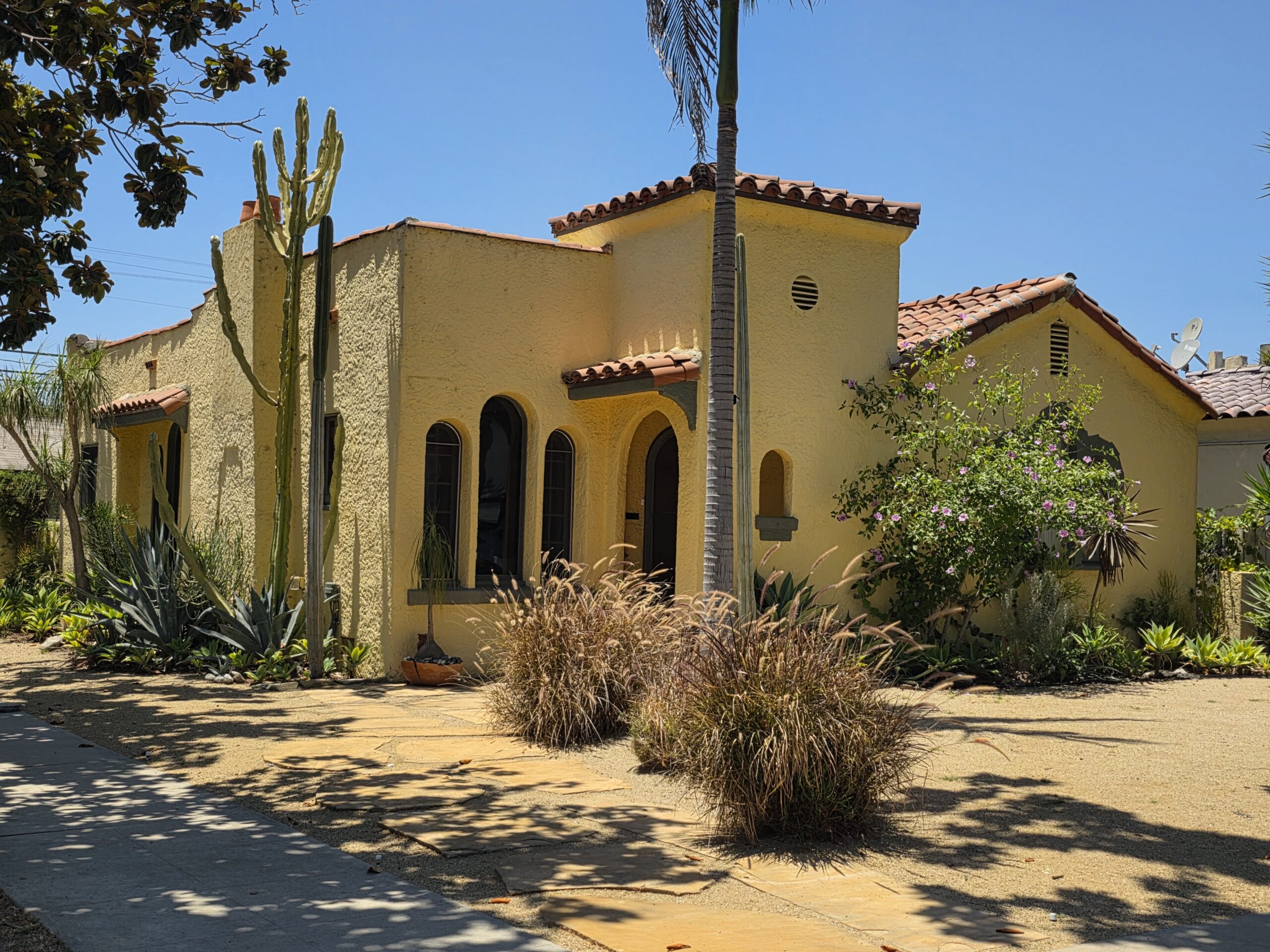
The architecture in Atwater Village reflects old Los Angeles optimism. Many of these homes were originally built during the rise of the American middle class and the early expansion of the film industry nearby. There’s personality here. Weird little details. Arched doors. Original windows. Mature landscaping. Detached garages converted into creative studios. Homes that evolved slowly over decades instead of being flipped by somebody who thinks painting everything white counts as design.
Buyers searching for Atwater Village homes for sale are often looking for something increasingly difficult to find in Los Angeles:
character.
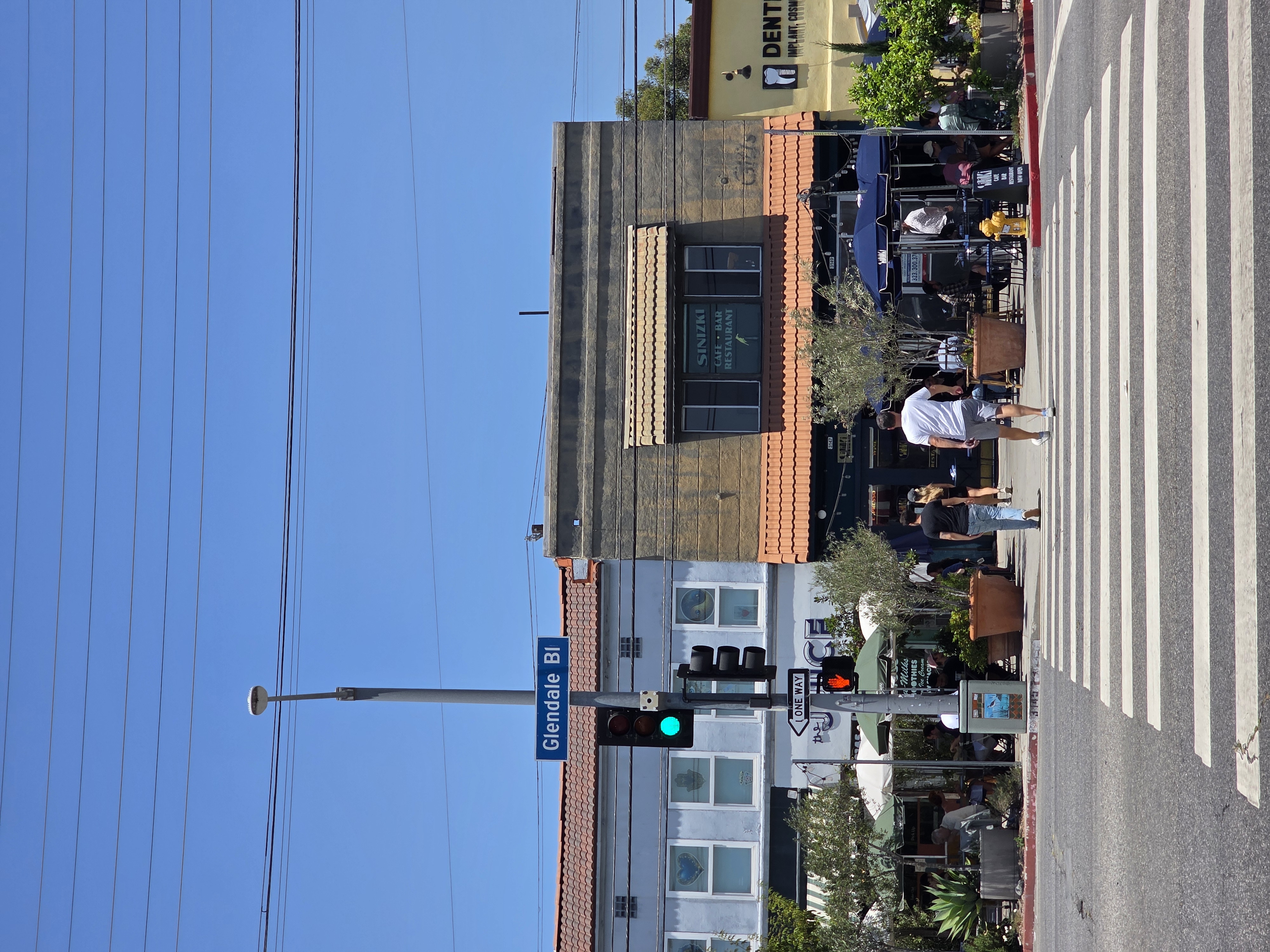
Glendale Boulevard: The Heart Of Atwater Village
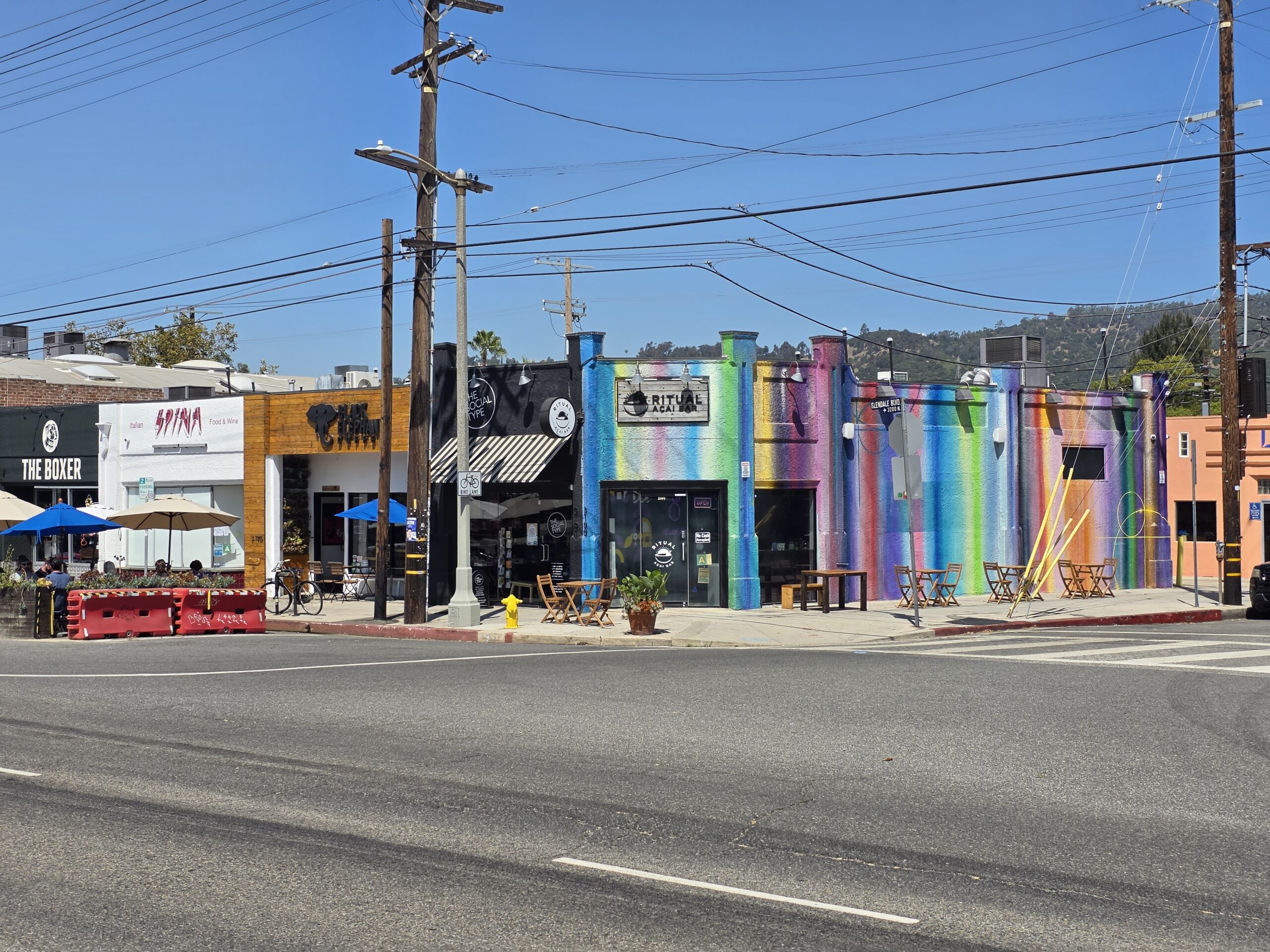
The emotional center of Atwater Village is Glendale Boulevard.
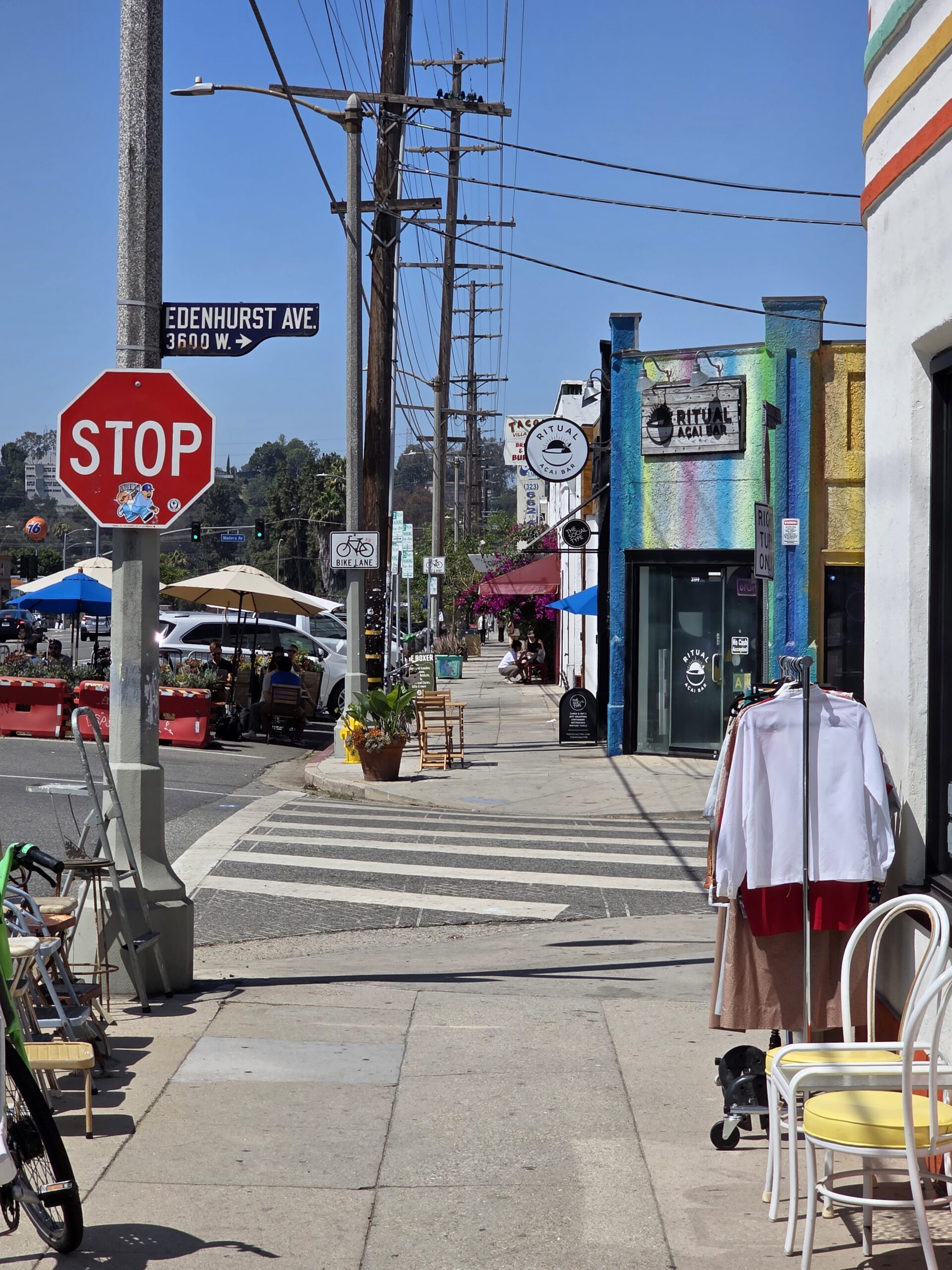
This is where the neighborhood comes together. Coffee shops buzz in the mornings. Restaurants spill onto patios at night. People wander between wine bars, boutiques, vintage shops, bakeries, record stores, and sidewalk conversations that somehow last an hour and a half.
The stretch feels distinctly Eastside LA without trying too hard about it.
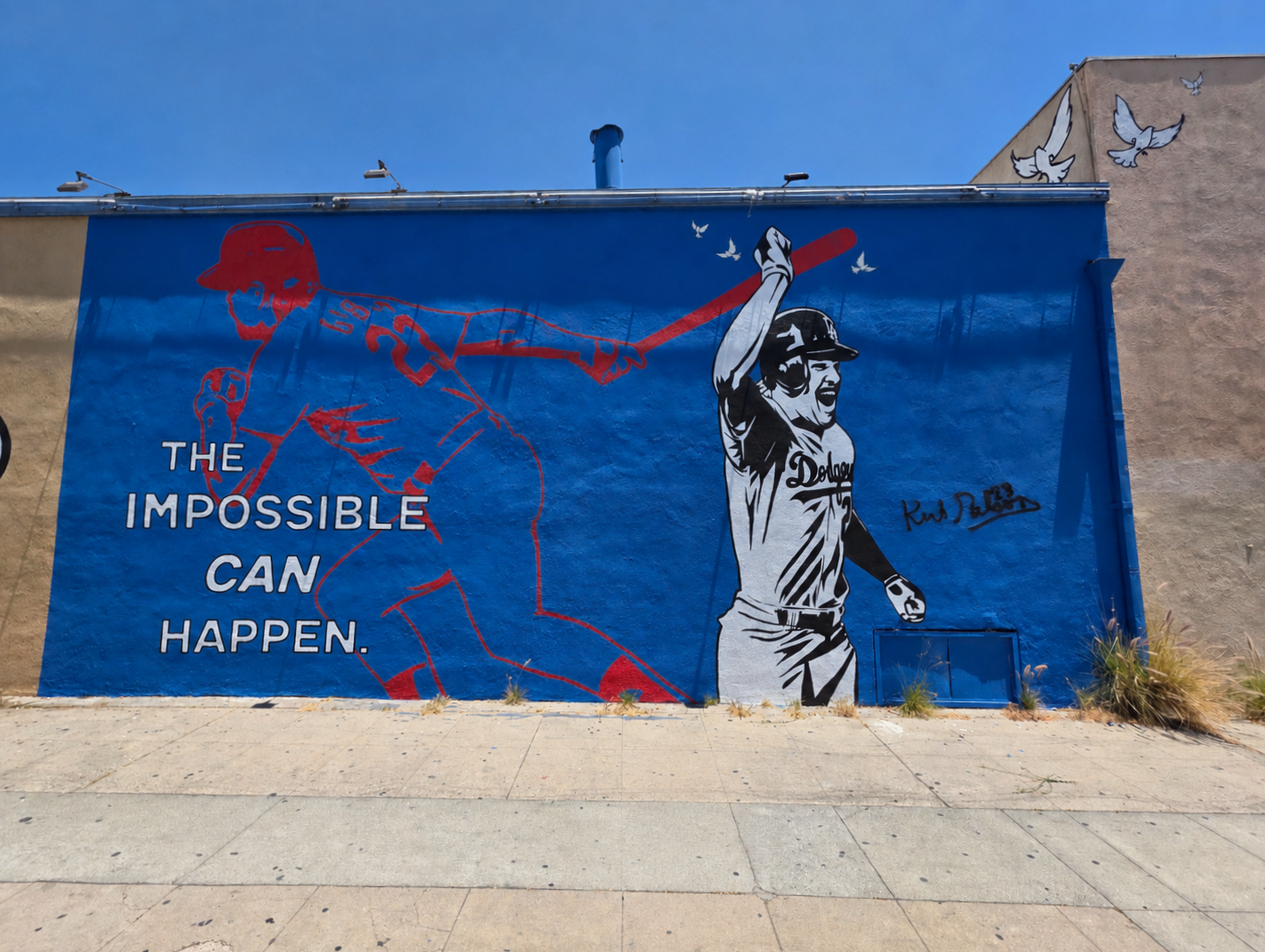
You’ll still find longtime businesses mixed beside newer restaurants and creative storefronts. Some places feel polished. Others feel like they’ve existed forever. That contrast is part of what gives Atwater Village its identity.
And unlike trendier commercial corridors elsewhere in Los Angeles, Atwater still manages to feel relatively approachable. Less velvet rope energy. More “grab a drink and stay awhile.”
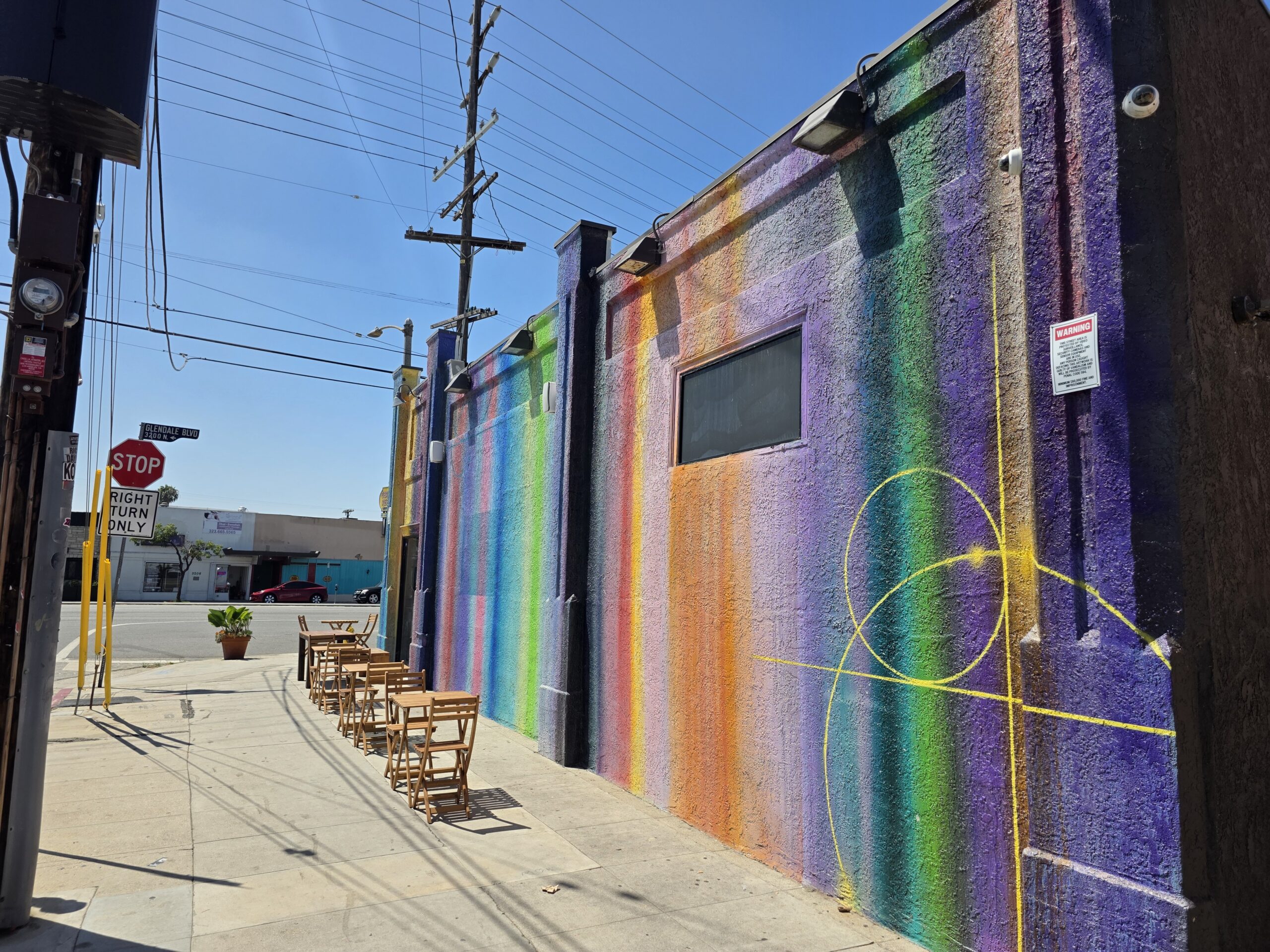
Best Restaurants, Coffee Shops & Bars In Atwater Village
Atwater Village quietly became one of the better food neighborhoods on the Eastside.
Not flashy. Not scene-heavy. Just genuinely solid places where locals actually eat.
A few longtime neighborhood favorites and local staples include:
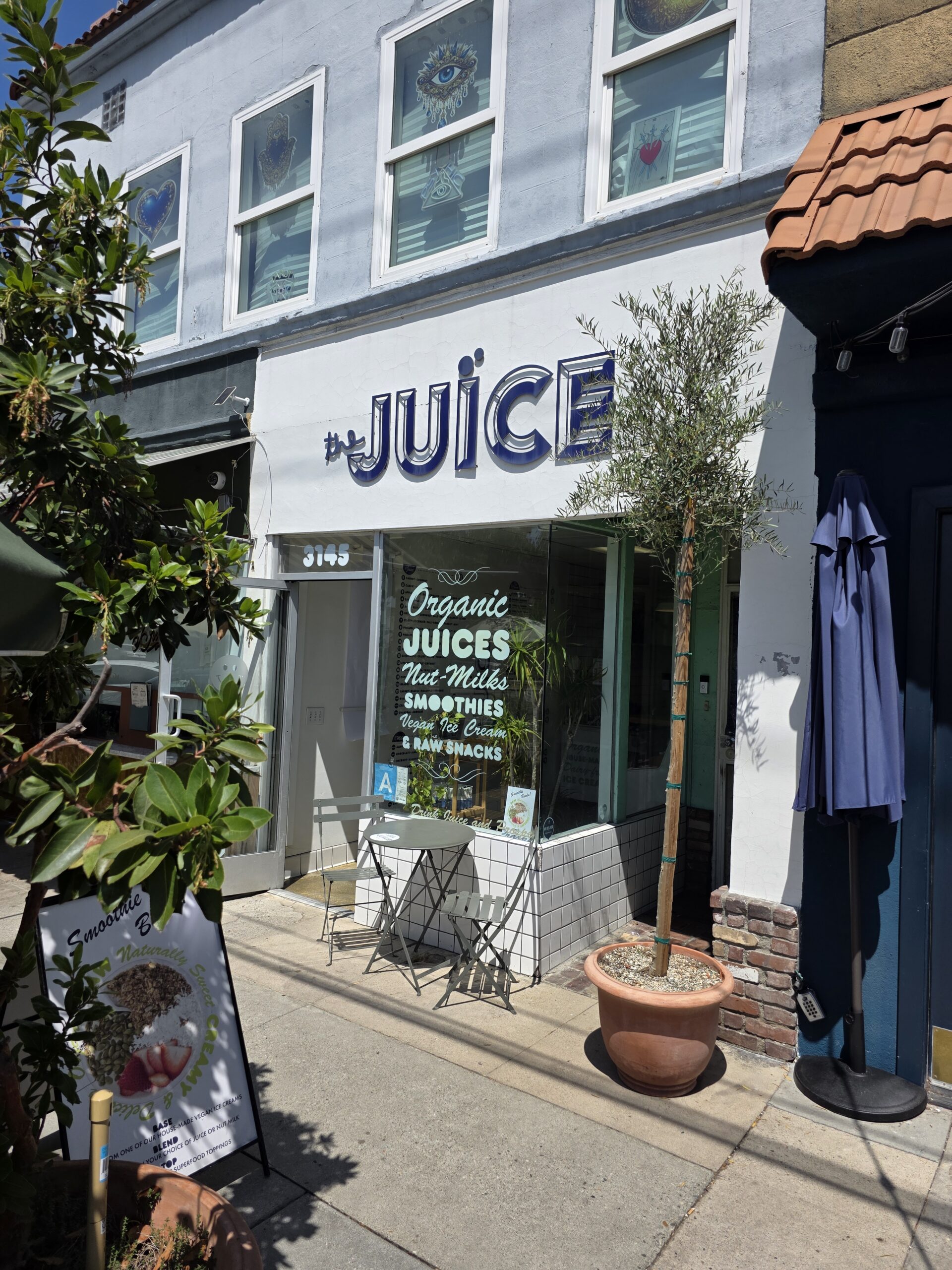
The Juice
The Juice is a popular, trendy, counter-serve juice bar located in the Atwater Village neighborhood of Los Angeles. It is a women- and Black-owned business celebrated for its raw, organic, cold-pressed juices, functional smoothies, and vegan treats
Proof Bakery
Arguably one of the best bakeries anywhere in Los Angeles. Weekend mornings here can look like somebody accidentally cast an A24 movie entirely with people holding croissants.
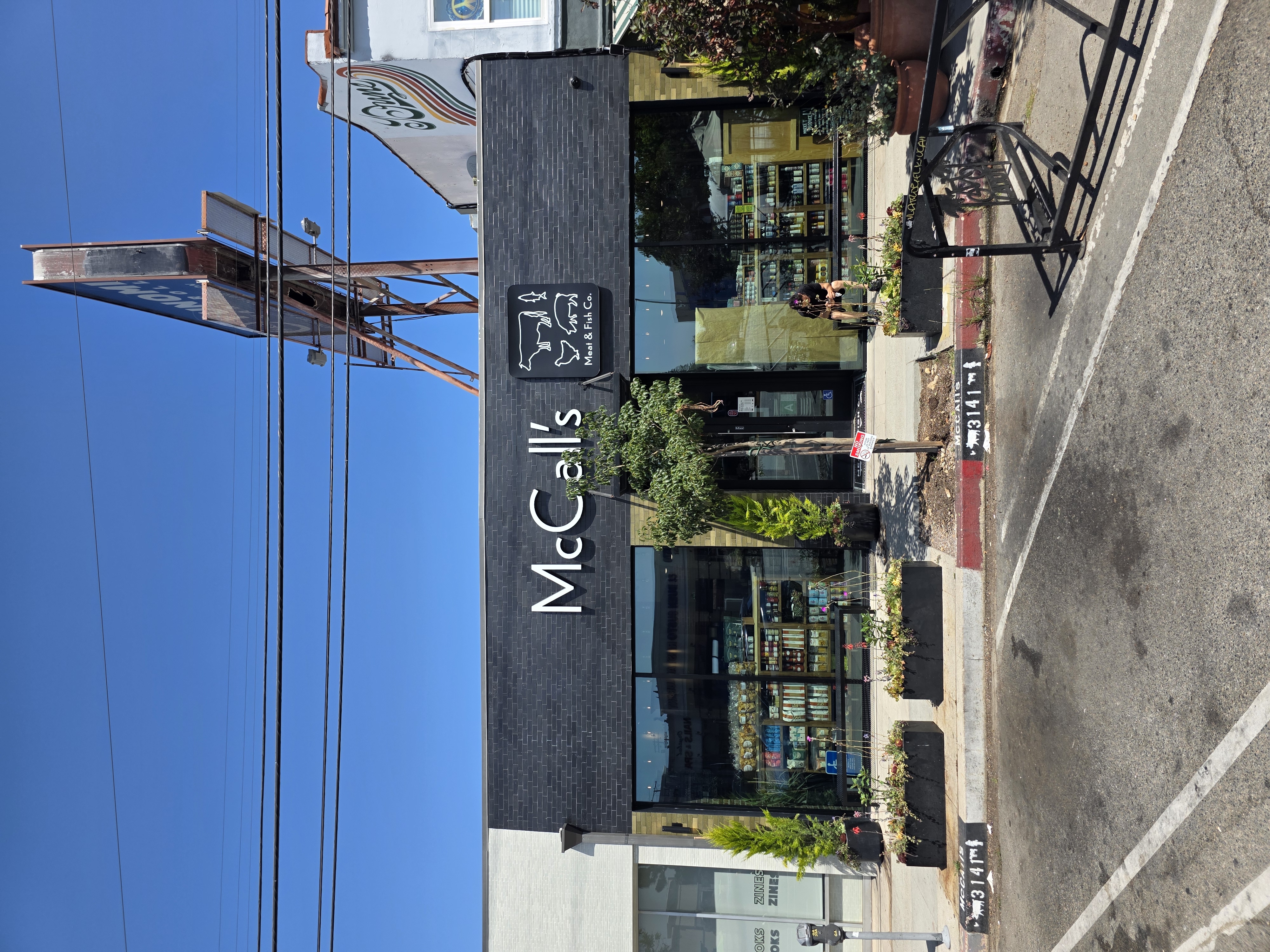
McCall’s
McCall’s Meat & Fish Co. is a high-end, neighborhood gourmet market located at 3141 Glendale Blvd, Los Angeles, CA 90039. After operating for over a decade in nearby Los Feliz, the family-owned business relocated its primary shop to Atwater Village in July 2024. They are known for providing top-tier, sustainably sourced meats and seafood, along with curated artisan provisions.
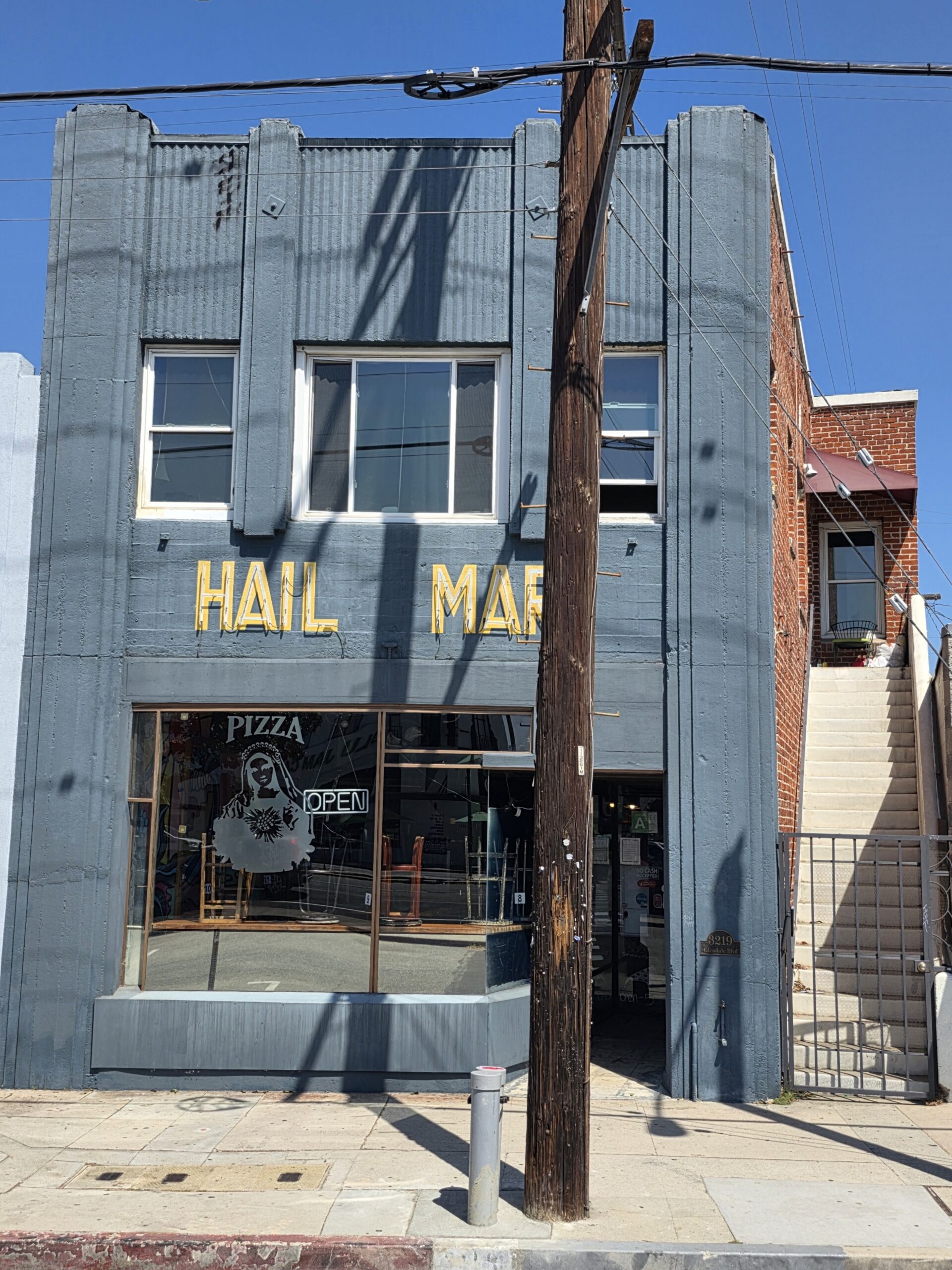
Hail Mary
A popular Atwater Village pizzeria serving “LA Style” sourdough pizzas made with wild yeasts and organic grains, featuring a relaxed contemporary vibe and a playful, irreverent character.
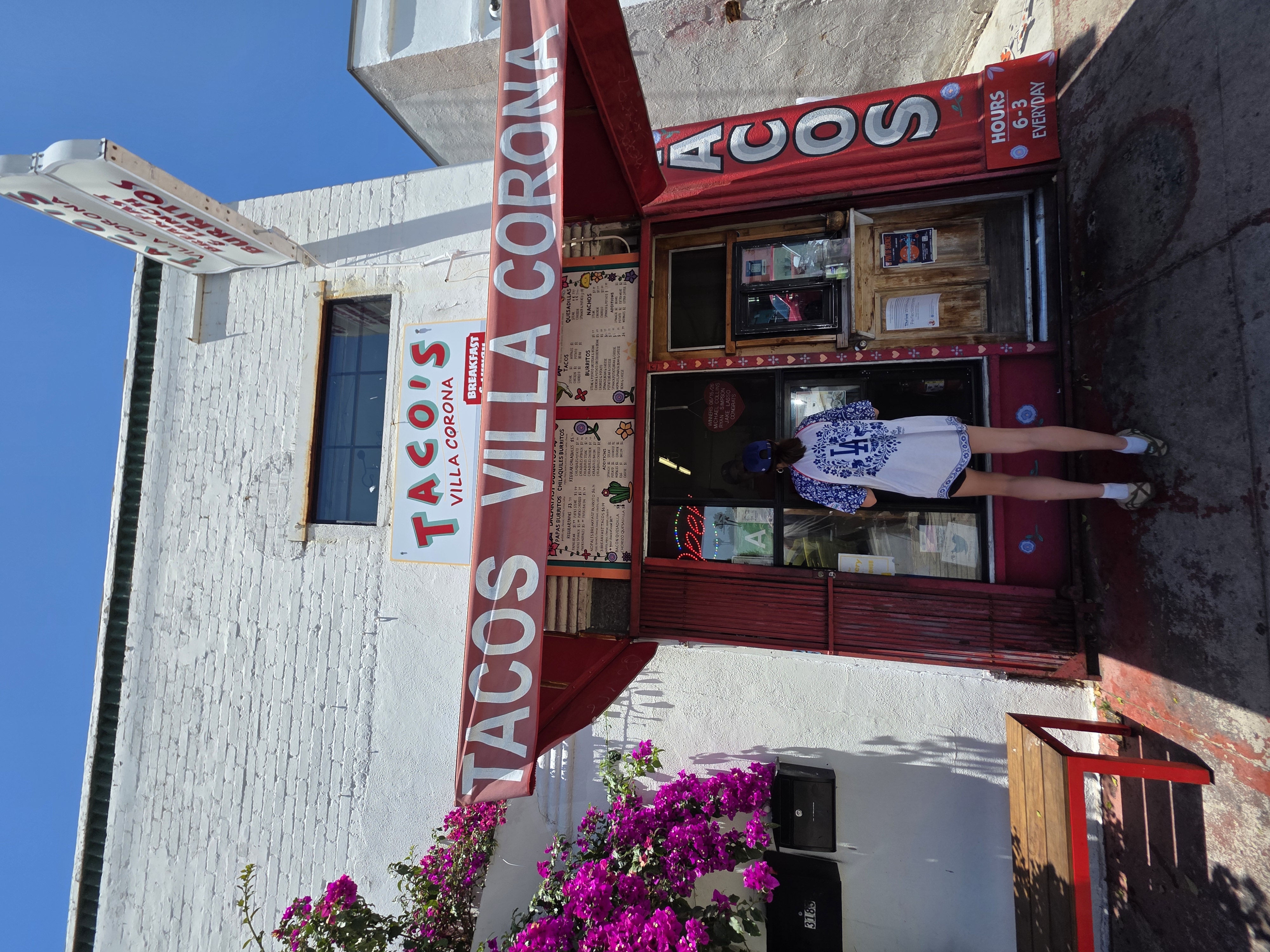
Tacos Villa Corona
Tacos Villa Corona is a legendary, multi-generational Mexican food staple in Los Angeles, famous for its wildly popular breakfast burritos, incredibly affordable pricing, and an endorsement from Anthony Bourdain on The Layover.
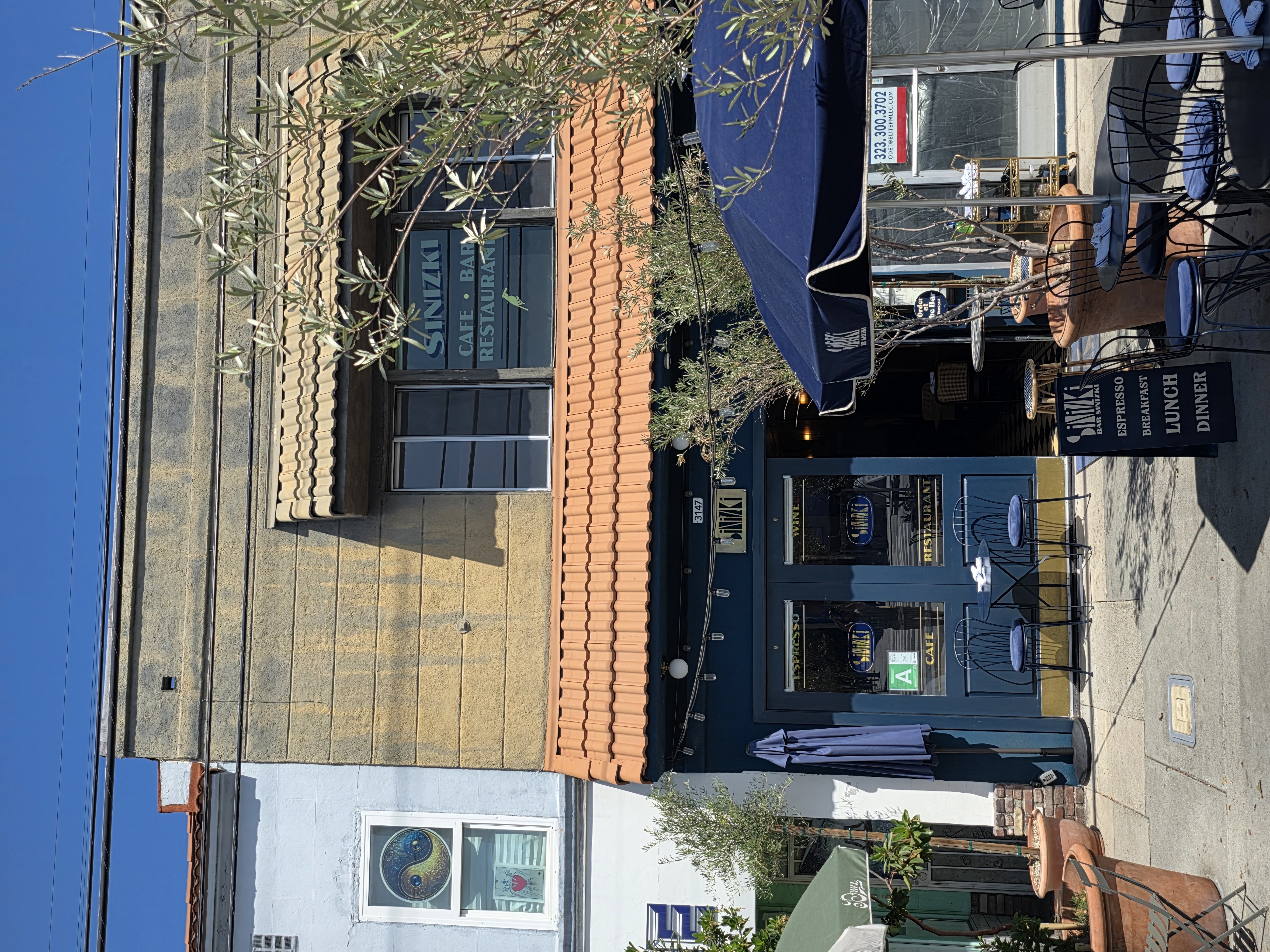
Sinizski
Bar Sinizki is a celebrated all-day Pan-European café and bar at 3147 Glendale Blvd in Atwater Village. Created by the team behind Dune and Elf Cafe in partnership with Kaldi Coffee’s Alexander Mirecki Tavitian, it reimagines the historic former Kaldi Coffee space as an old-world European street café. By day, it serves espresso and pastries; by night, it transforms into a vibrant destination for cocktails, natural wines, and inventive Eastern European-inspired fare.
Atwater Village nightlife isn’t about bottle service or rooftop influencers trying to photograph espresso martinis for forty-five minutes. It’s neighborhood-oriented. More low lighting and conversation than performance.
Honestly, that’s part of the charm.
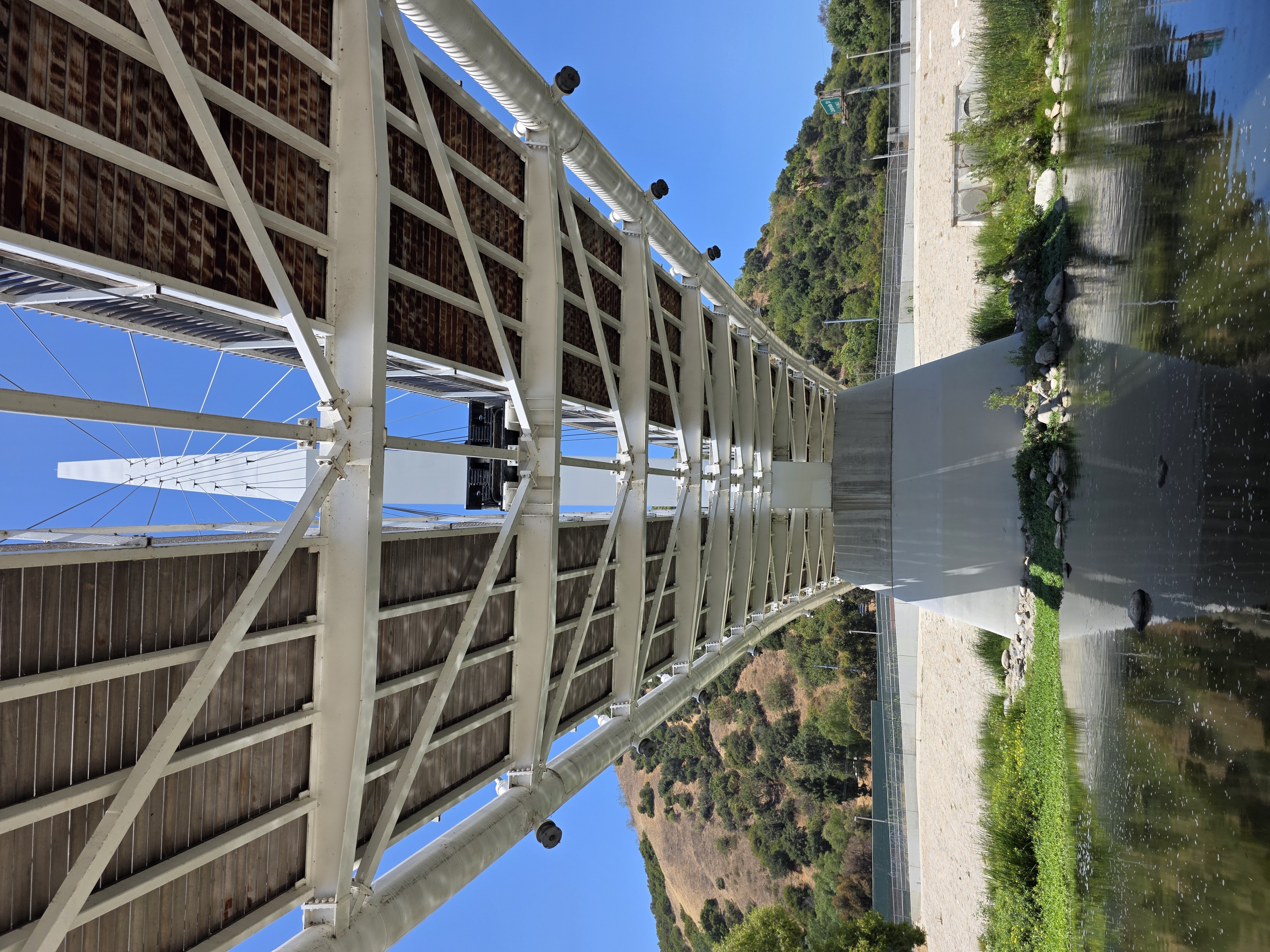
The Los Angeles River & Outdoor Lifestyle
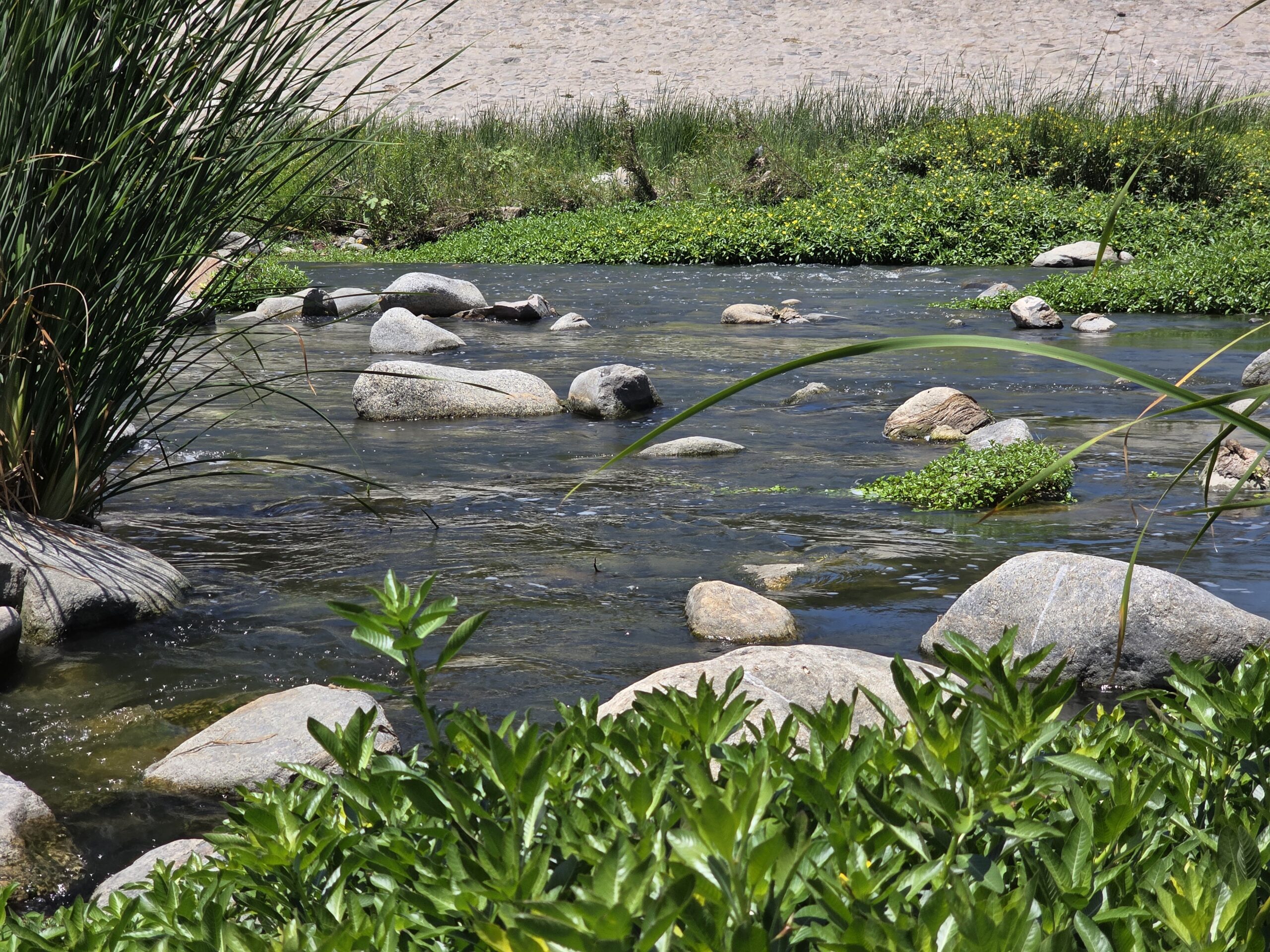
One of Atwater Village’s biggest advantages is its relationship to the Los Angeles River.
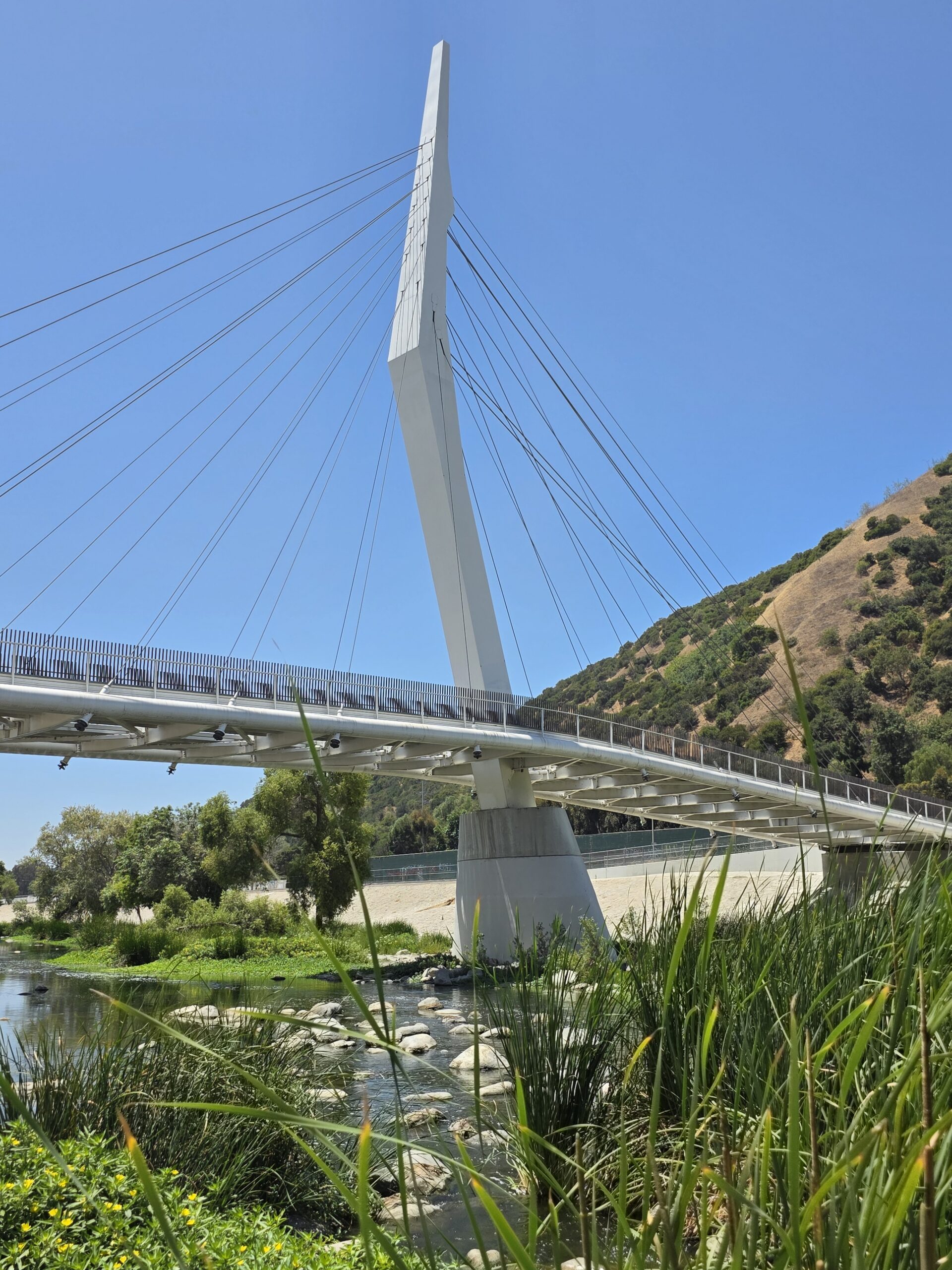
The nearby bike paths and walking trails have become part of everyday life for many residents. Morning joggers, cyclists, dog walkers, and weekend coffee wanderers all spill toward the river corridors throughout the day. The Atwater Village Farmers’ Market is really the heart of the community.
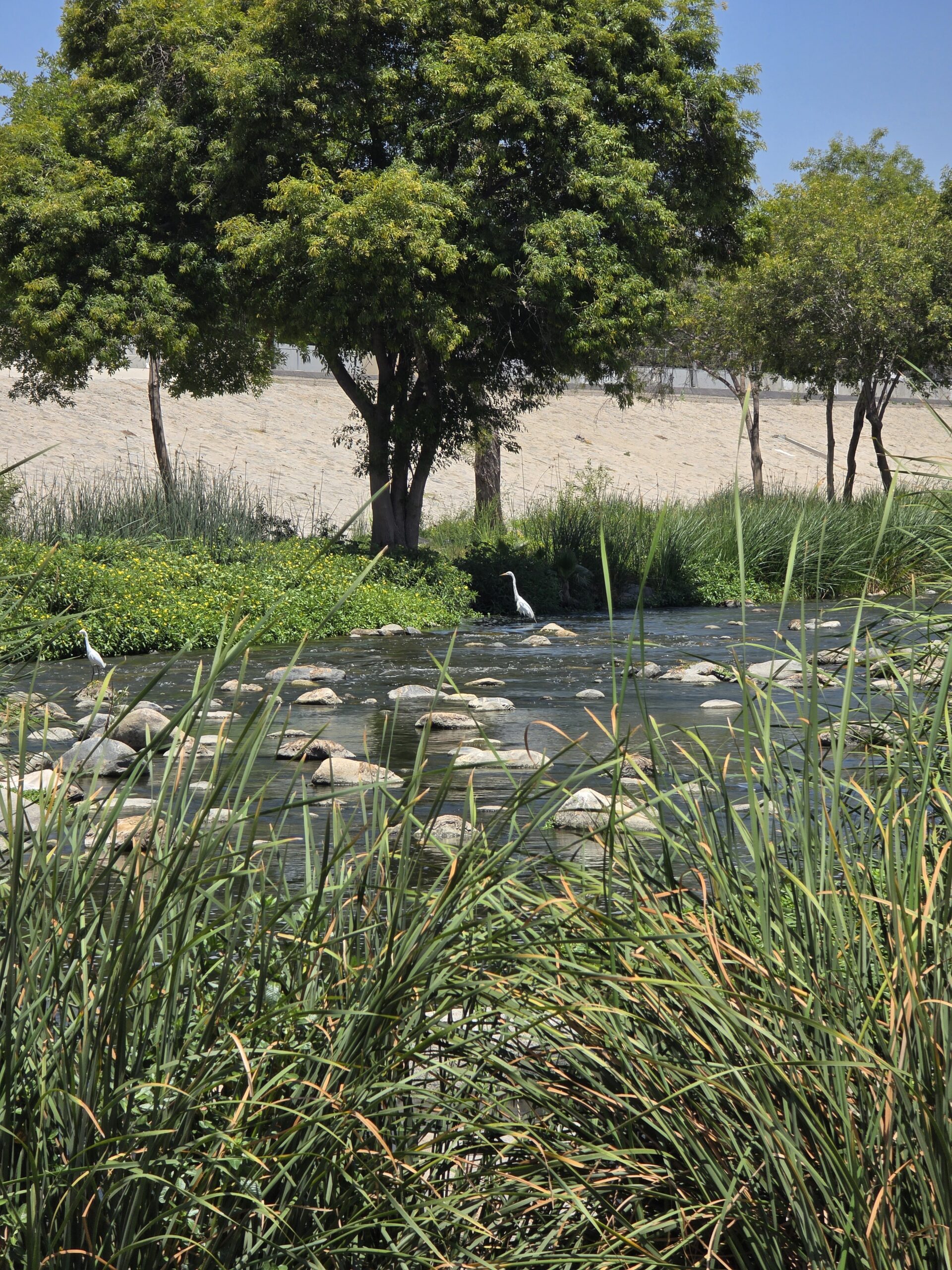
The outdoor lifestyle here feels subtle but important. You’re not moving to Atwater Village because you want some hyper-curated luxury wellness experience with cucumber water and twelve-dollar parking validation. The LA River Path is an amazing feat of public and government cooperation.
You move here because life feels a little more balanced.
Schools In Atwater Village
Families searching for homes in Atwater Village are often drawn to the neighborhood because of its community feel and access to both public and charter school options nearby.
The area is served by LAUSD along with several popular charter and private school opportunities throughout Northeast Los Angeles and Glendale.
As always, buyers should independently verify school attendance boundaries and enrollment availability directly with LAUSD and individual schools.
Atwater Village History
Like much of Northeast Los Angeles, Atwater Village has deep roots tied to the original Rancho San Rafael land grant. The area later evolved through agriculture, rail expansion, and early Los Angeles suburban growth.
Before the neighborhood became known for coffee shops and renovated bungalows, Atwater Village was home to sheep ranching, dairies, flower fields, and strawberry farms cultivated by Japanese tenant farmers in the early 1900s.
The neighborhood’s growth accelerated with the arrival of the Glendale and Los Angeles Electric Railway, better known as the Pacific Electric “Red Cars.” Pieces of that infrastructure still quietly exist near Fletcher Drive if you know where to look.
Over the decades, Atwater Village evolved from working-class suburb to one of the most desirable neighborhoods in Northeast Los Angeles.
And unlike some neighborhoods that lost themselves entirely during waves of development, Atwater somehow managed to evolve while still feeling grounded.
That balance is harder to preserve than people realize.
Buying A Home In Atwater Village
Homes in Atwater Village remain highly competitive due to limited inventory, architectural character, walkability, and strong long-term demand throughout Northeast Los Angeles.
Buyers are often competing for:
- original character homes
- Spanish-style properties
- updated bungalows
- homes with ADU potential
- properties near Glendale Boulevard
- larger lots with outdoor entertaining space
Atwater Village appeals to buyers who want access to the Eastside lifestyle without sacrificing neighborhood warmth or residential calm.
And once people get into the neighborhood, they tend to stay.
That usually tells you everything you need to know.
Search Atwater Village Homes For Sale
Browse Atwater Village homes for sale, architectural properties, condos, income properties, and new listings throughout the neighborhood.
If you’re considering buying or selling real estate in Atwater Village, Silver Lake, Los Feliz, Glassell Park, or surrounding Northeast Los Angeles neighborhoods, the Shelhamer Group specializes in Eastside Los Angeles real estate and local market insight.
Meet Glenn Shelhamer
I’m Glenn Shelhamer, a Northeast Los Angeles Realtor who’s spent years working, investing, and building relationships throughout neighborhoods like Atwater Village, Silver Lake, Los Feliz, Highland Park, and Echo Park.
Atwater has a completely different rhythm than most of Los Angeles. People move here for the tree-lined streets, character homes, walkability, neighborhood restaurants, and the feeling that life slows down just enough to actually enjoy it. It’s one of those rare pockets of LA where people still wave to each other walking dogs, sit outside at coffee shops for hours, and know the names of the local business owners.
I spend a lot of time in and around Atwater Village with my family, friends, and clients, and I’ve watched the neighborhood continue evolving while still holding onto its identity. From charming Spanish homes and California bungalows to architectural properties tucked near the river paths, Atwater has become one of the most sought-after communities on the Eastside.
If you’re thinking about buying, selling, investing, or simply trying to better understand the Atwater Village real estate market, I’m always happy to talk shop and point you in the right direction.
Questions about Atwater Village real estate?
310-913-9477
@theshelhamergroup
glenn@shelhamergroup.com
Working with an agent here
Who sells Atwater Village?
Atwater Village homes that sell inside the first thirty days clear 8.4 more points of asking price, about $117,000. That gap is the argument for getting the price right on day one.
Atwater Village Real Estate Agent