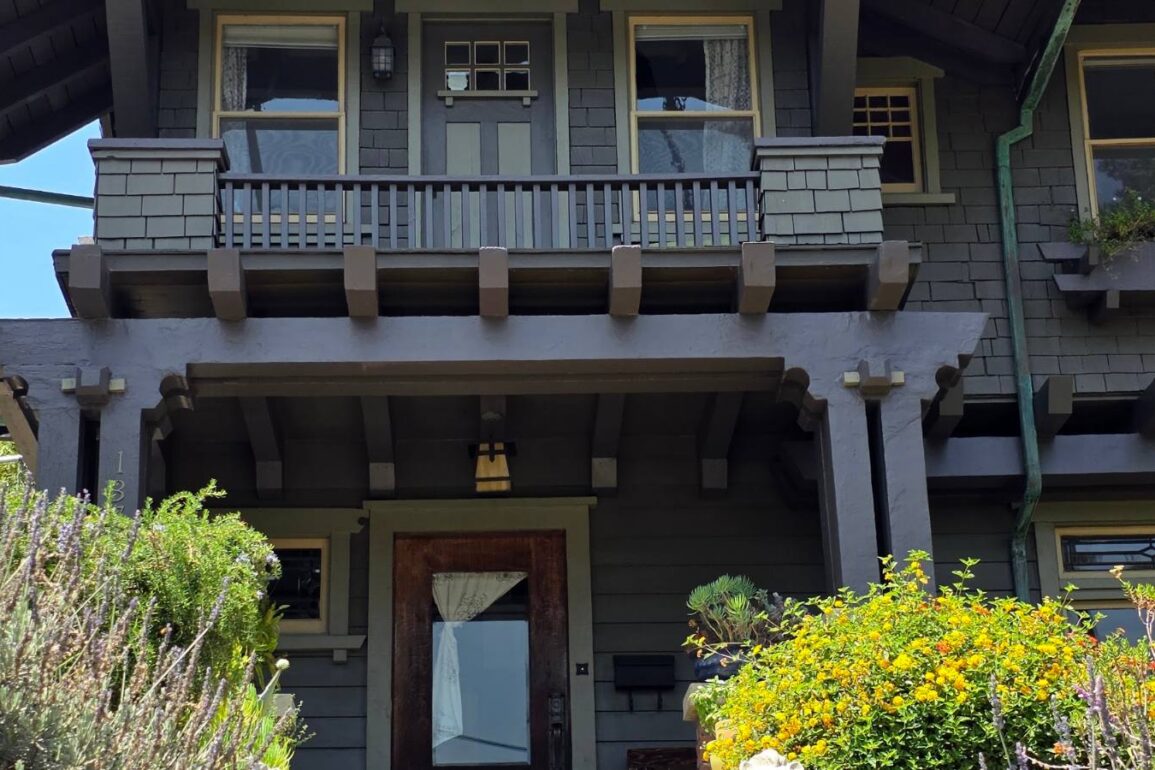

Prop 19 inherited property California rules mean heirs generally must move into a parent’s home as their primary residence to keep any of the old, lower property tax basis — otherwise the home gets reassessed to full market value, often multiplying the tax bill overnight.
Nobody wants to talk tax law right after a parent dies. That’s exactly why so many families end up making the wrong call — they avoid the conversation until the clock has already run out on the good options, the same pattern we see in selling a house before you’re emotionally ready.
What Prop 19 Actually Changed
Before Prop 19, kids who inherited a parent’s home could generally keep the old, much lower property tax basis, no matter what they did with the house — live in it, rent it out, sell it eventually. Prop 19 tightened that significantly. Now, to keep any meaningful piece of that lower tax basis, an heir generally has to move into the home as their primary residence within a defined window, and even then, there’s a cap on how much value is shielded from reassessment. Rent it out or leave it vacant while you decide, and it gets reassessed to full market value.
The Math Families Don’t Want To Do

On a home that’s appreciated significantly since the parents bought it decades ago, that reassessment can mean a property tax bill that’s several times higher than what the parents were paying. For heirs who don’t actually plan to live there — because they already own a home elsewhere, or live out of state, or simply don’t want to move — that new tax bill turns “keep it as a rental” from a passive income decision into a math problem that can sink a deal just as fast as any of the surprises in a deal that should have died six different times and somehow didn’t.
Why “Just Move In” Isn’t Always The Answer

Moving into a parent’s house to preserve a tax basis sounds simple until you actually think through what it means — uprooting your own life, possibly your kids’ schools, for a tax benefit that may not outweigh what you’re giving up. For a lot of families, the honest answer is that nobody actually wants to live there, and pretending otherwise just delays a decision that was always going to end in a sale.
What To Actually Decide Before The Reassessment Clock Starts

Get the home appraised at actual current value immediately, not eventually — you need the real number to make any of this math work. Talk to a tax professional about the specific reassessment exclusion amount and whether moving in changes your family’s numbers meaningfully. And decide, honestly, whether this is a house your family wants to live in or a house your family wants to convert into something else. Those are two different plans, and Prop 19 punishes anyone who tries to keep both options open too long.
This isn’t a decision to make alone in a grief fog. If you’re facing this, I’d rather run the real numbers with you than have you guess.
— Glenn
Frequently Asked Questions
Generally, yes. To keep any meaningful piece of the parents’ lower property tax basis, you must move in as your primary residence within a defined window, and even then only a limited amount of value is shielded from reassessment.
Get the home appraised at current market value right away, talk to a tax professional about the specific reassessment exclusion amount, and decide honestly whether your family actually wants to live there or would rather convert it into something else — those are two different plans.
It removed the broad parent to child exclusion from property tax reassessment. Unless a child moves into the inherited home as a primary residence and files for the exclusion, the property is reassessed at current market value. The tax bill can multiply immediately.
It depends on how long the parents owned it. A house bought decades ago carries a low Prop 13 basis, and reassessment moves it to current market value. Families routinely find the annual bill jumps from a few thousand dollars to well over twenty thousand.
Only if one of them makes it a primary residence and files the exclusion, and even then the relief is capped. If the house becomes a rental or a shared second home, expect reassessment. Confirm the specifics with a tax professional before you decide.
Run the numbers before the emotion. Get the reassessed tax estimate, the cost of deferred maintenance, and what the house would rent for. If nobody is moving in as a primary residence, the carrying cost after reassessment usually makes the answer obvious.
About Glenn Shelhamer
I’m Glenn Shelhamer, broker of The Shelhamer Group and founder of Silver Lake Blog. Over the last 15 years I’ve helped buyers and sellers navigate real estate throughout Los Angeles’s Eastside, from smooth transactions to complicated ones.
If you’re navigating an inherited property and Prop 19, I’d rather run the real numbers with you than have you guess alone.
Call or text directly:
310-913-9477
Instagram:
@theshelhamergroup
Email:
glenn@shelhamergroup.com