
A buyer sat in my car outside a listing on Micheltorena last month and asked the question I get more than almost any other: “Should I really be looking in Los Feliz instead?” They’re two minutes apart on a map. They sell like two different cities.
Here’s what actually separates them — not vibes, not who you imagine living where, but terrain, architecture, price, and how you’d actually spend a Tuesday.
The Terrain Decides More Than You Think
Silver Lake is hillside living, full stop. Streets curl, dead-end, and climb — which means view lots, but also retaining walls, driveway engineering, and the occasional staircase where a driveway should be. Silver Lake real estate is defined by its topography as much as its architecture.
Los Feliz has hills too — the Oaks section climbs toward Griffith Park — but its core, the flats around Hillhurst and Vermont, is flatter and more traditionally gridded. Wider lots. Easier driveways. Fewer homes where the garage is a full flight below the front door.
The Housing Stock Is From a Different Era
Silver Lake’s identity is midcentury. Case Study-adjacent construction, architect-built hillside homes from the 1950s and ’60s, and a wave of smart, sometimes odd, infill built by people who wanted a specific view more than a specific floor plan. Lots tend to be smaller; the house makes up for it in design.
Los Feliz skews earlier and grander — 1920s and ’30s Spanish Colonial and Mediterranean Revival, built when the neighborhood was one of LA’s original prestige addresses. Bigger footprints, bigger lots, more homes with a formal dining room instead of an open-concept kitchen island.
Neither is “better” construction. They’re different design philosophies from different decades, and buyers who love one usually can’t stand the other.
Price Tells a Real Story, Not Just a Bigger One
As of this spring, Silver Lake’s median sale price sits around $1.42 million, down close to 10% year-over-year. Los Feliz is running closer to $1.95 million, still climbing.
That half-million-dollar gap isn’t random. You’re paying for lot size, square footage, and an older, more established address in Los Feliz. In Silver Lake, you’re paying for the view and the design pedigree, on a smaller footprint, with more hillside maintenance built into the deal. I covered why Silver Lake’s numbers look like a paradox right now — it’s not one story, it’s two markets moving at once.
Walkability and Everyday Life
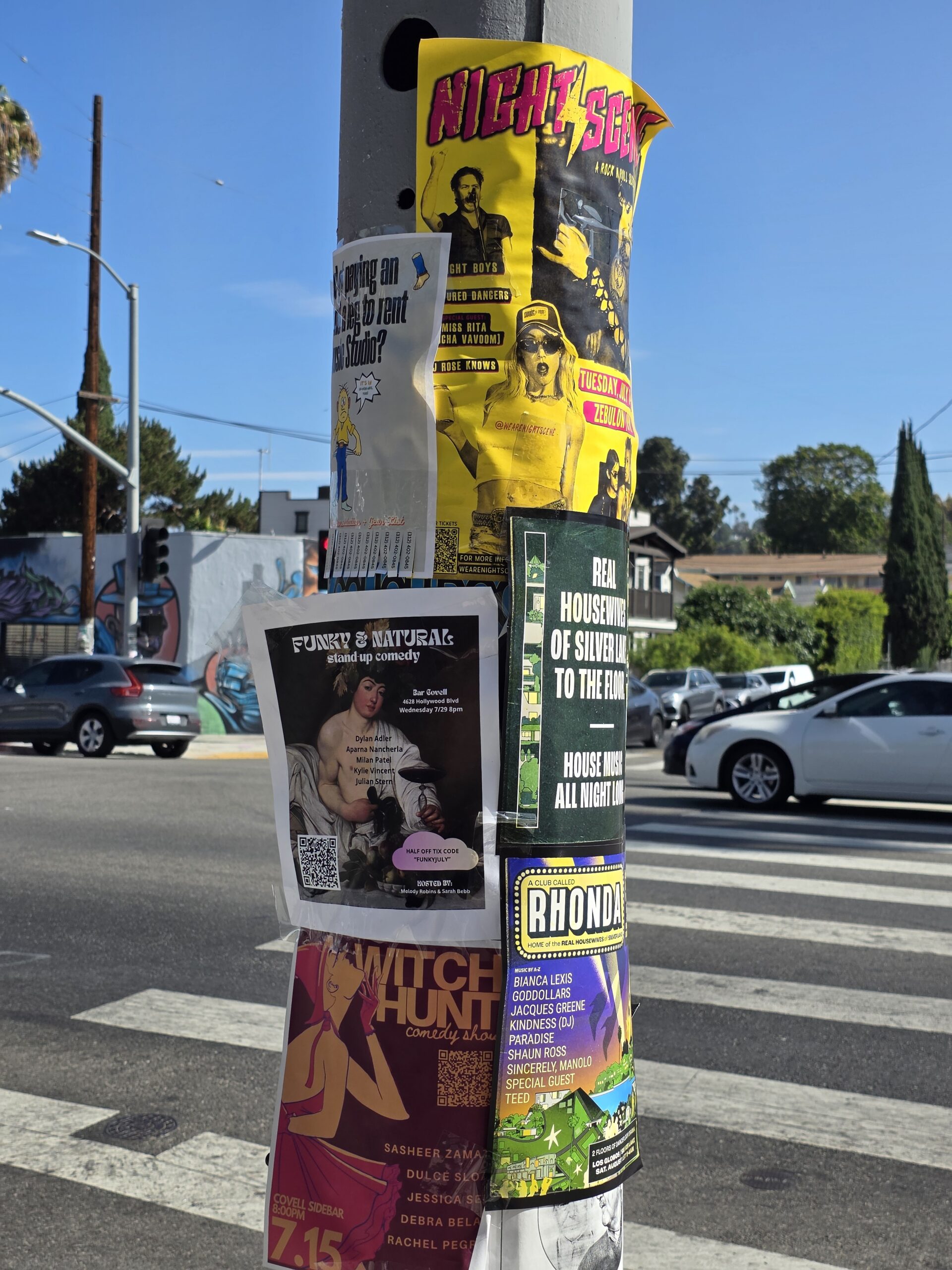
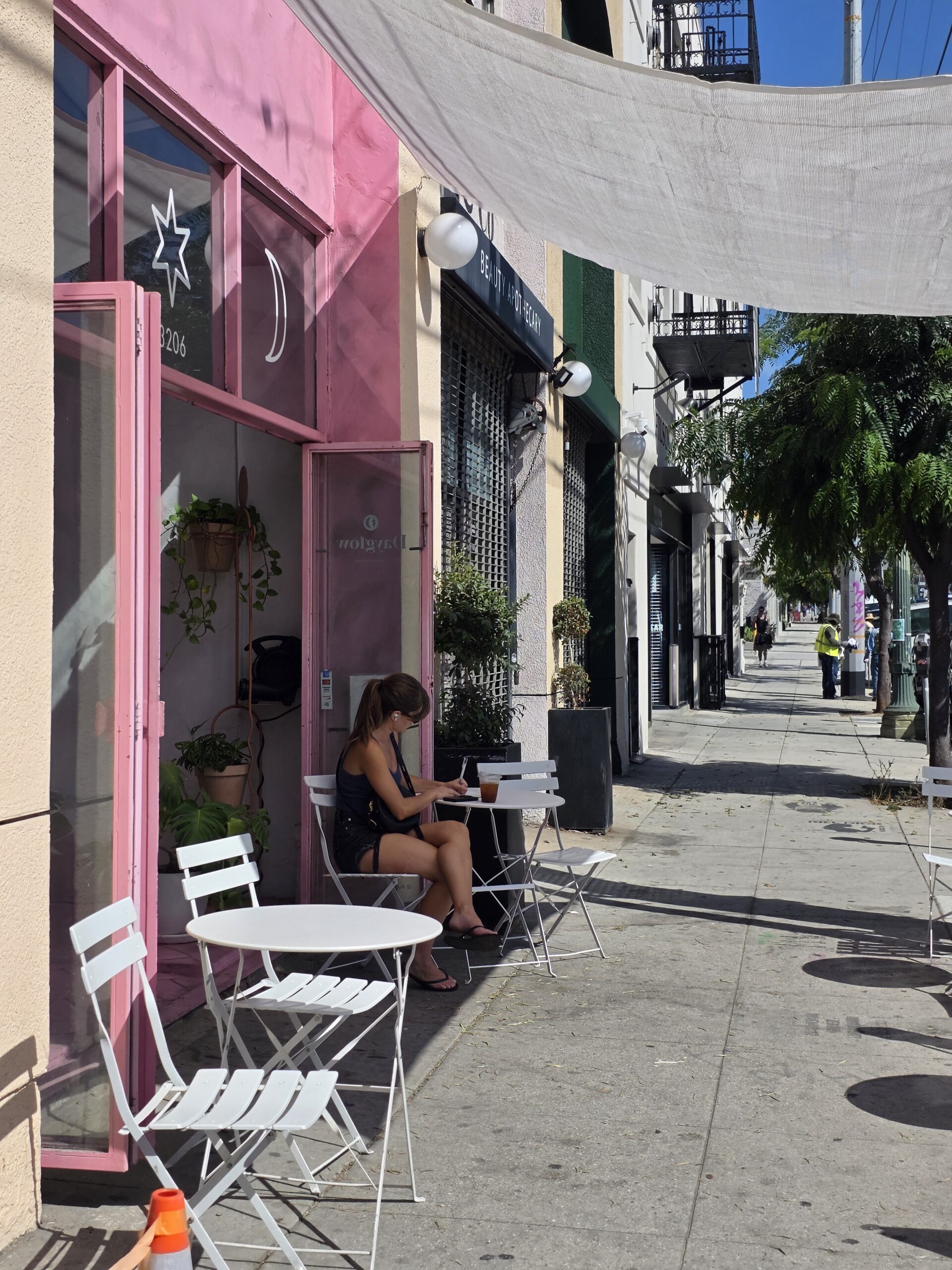
Silver Lake’s daily rhythm centers on Sunset Junction, the reservoir loop, and a dense cluster of coffee shops and restaurants you can walk to from a lot of the flatter streets. It’s a neighborhood built for people who want to leave the car in the driveway on a Saturday.
Los Feliz’s version of that is the Vermont and Hillhurst corridors — bookstores, older-school restaurants, and the Los Feliz Theatre — plus something Silver Lake doesn’t have: Griffith Park at the back door. If your idea of a good Sunday involves a trailhead instead of a coffee line, that proximity is the whole ballgame.
Final Thoughts
I don’t have a favorite. I have clients who’d be miserable in the other neighborhood, and I’ve placed people in both this year who are thrilled with where they landed. The real question isn’t which neighborhood is “better.” It’s whether you want a smaller, view-driven midcentury house you can walk to Sunset Junction from, or a bigger, older-money property two blocks from a trailhead.
Answer that honestly, and the rest of the decision makes itself.
About Glenn Shelhamer
I’m Glenn Shelhamer, broker of The Shelhamer Group and founder of Silver Lake Blog. I’ve spent the last 15 years helping buyers navigate the differences between neighborhoods that look similar on a map and sell nothing alike in person.
If you’re weighing Silver Lake against Los Feliz — or any other NELA neighborhood — and want an honest read on which fits how you actually live, feel free to reach out anytime.
Call or text directly: 310-913-9477
Instagram: @theshelhamergroup
Email: glenn@shelhamergroup.com